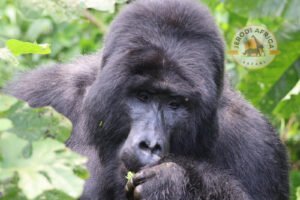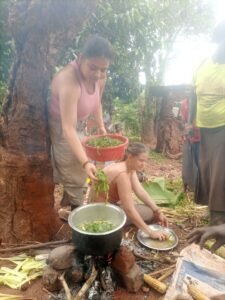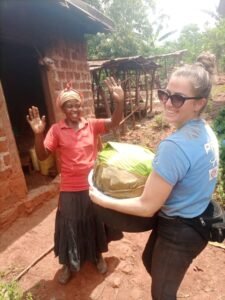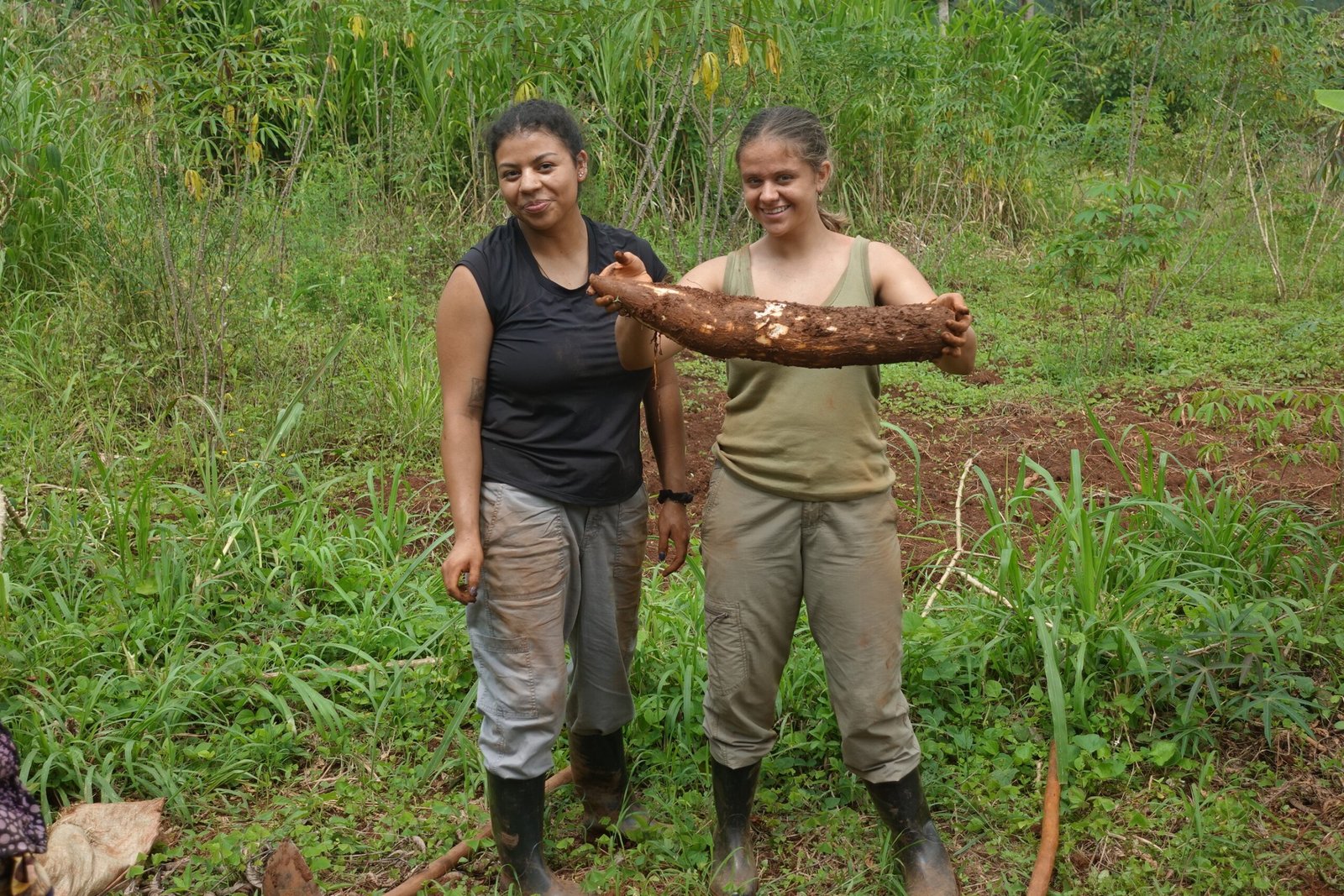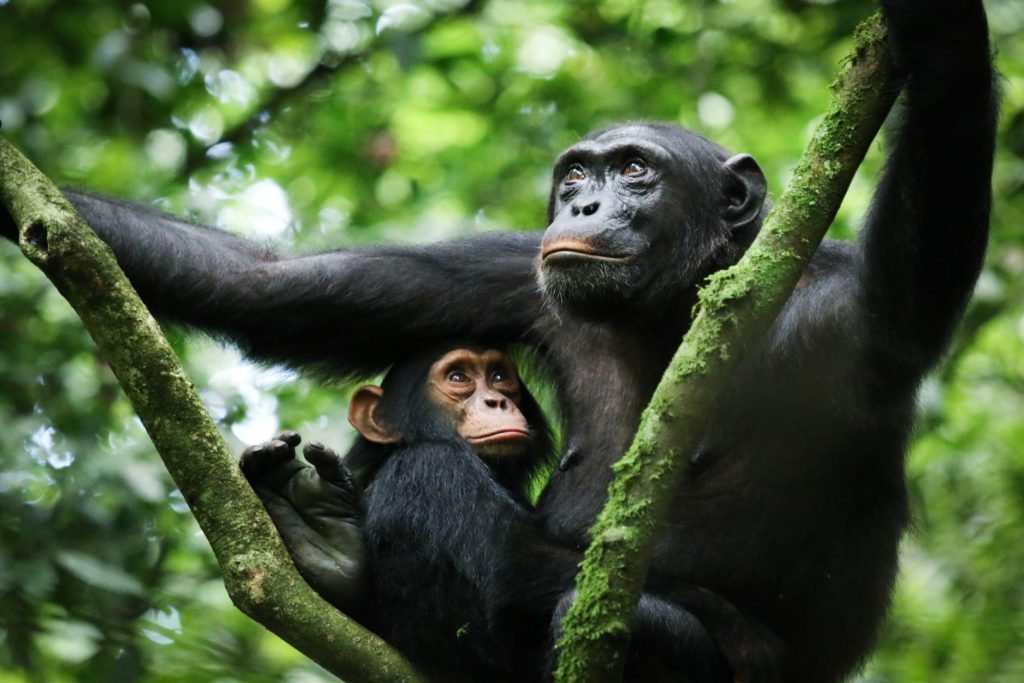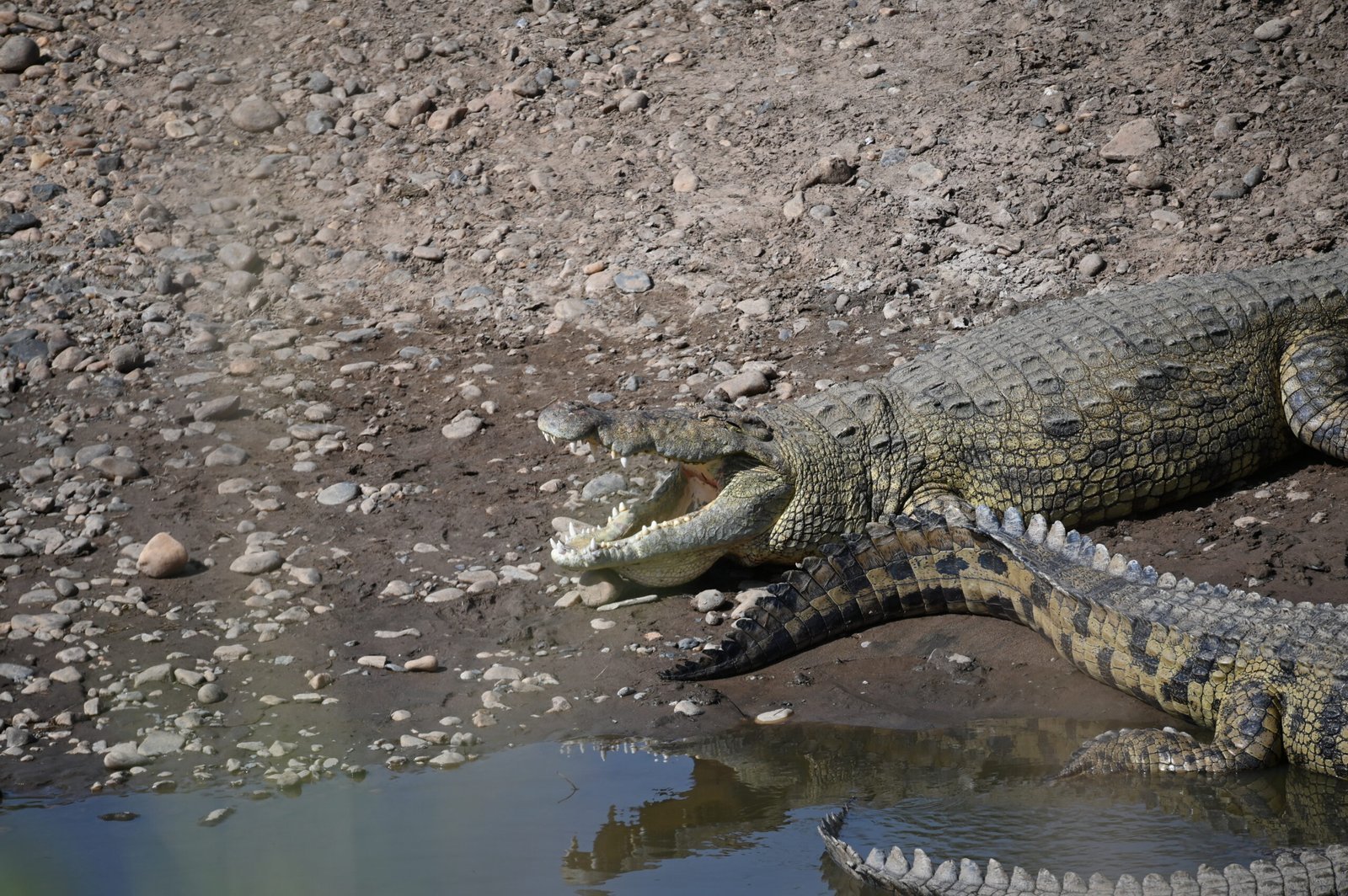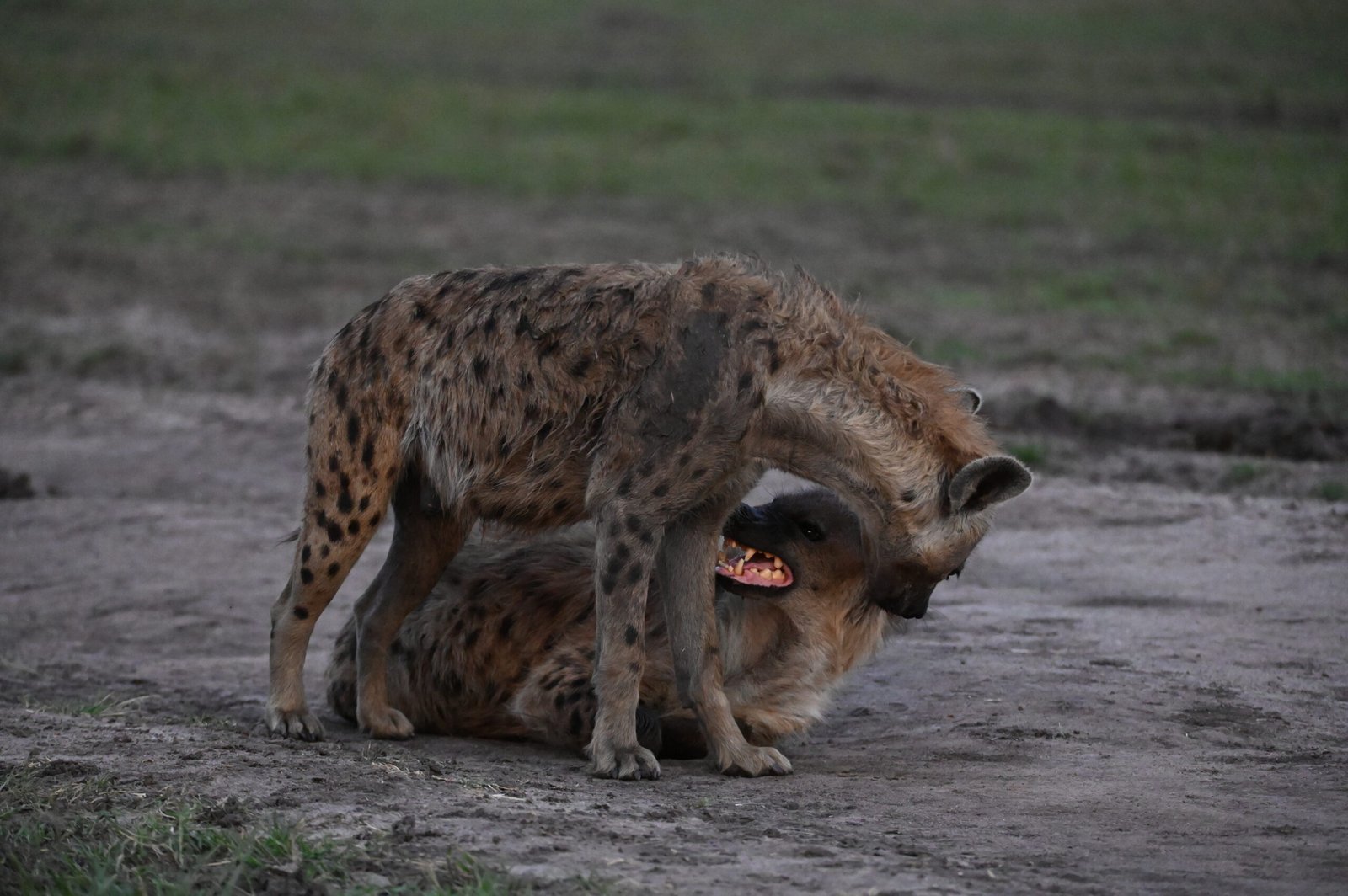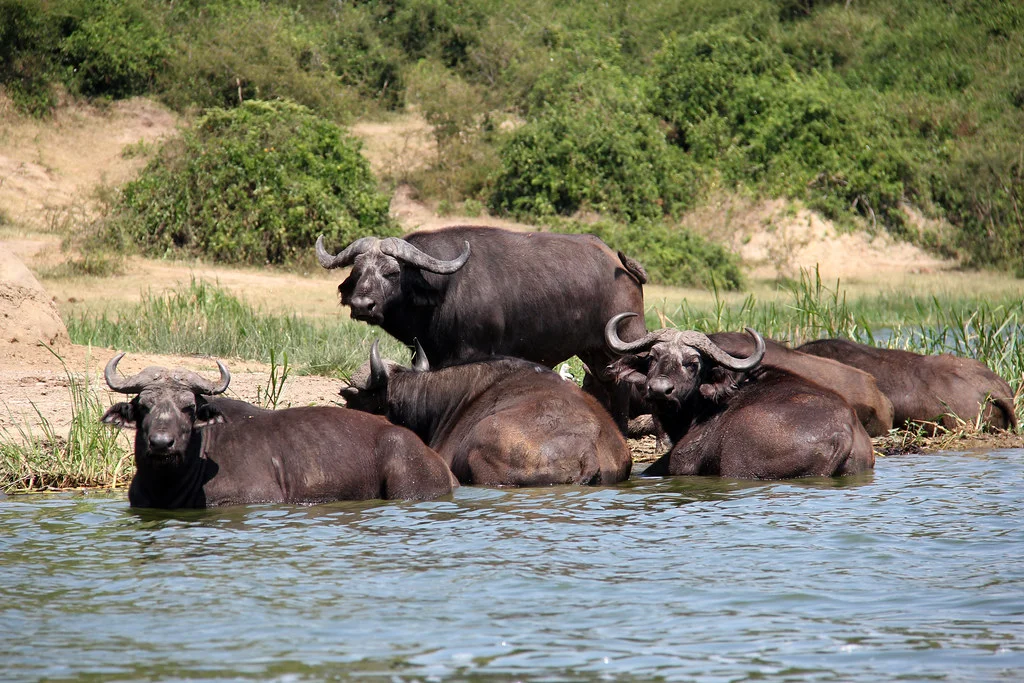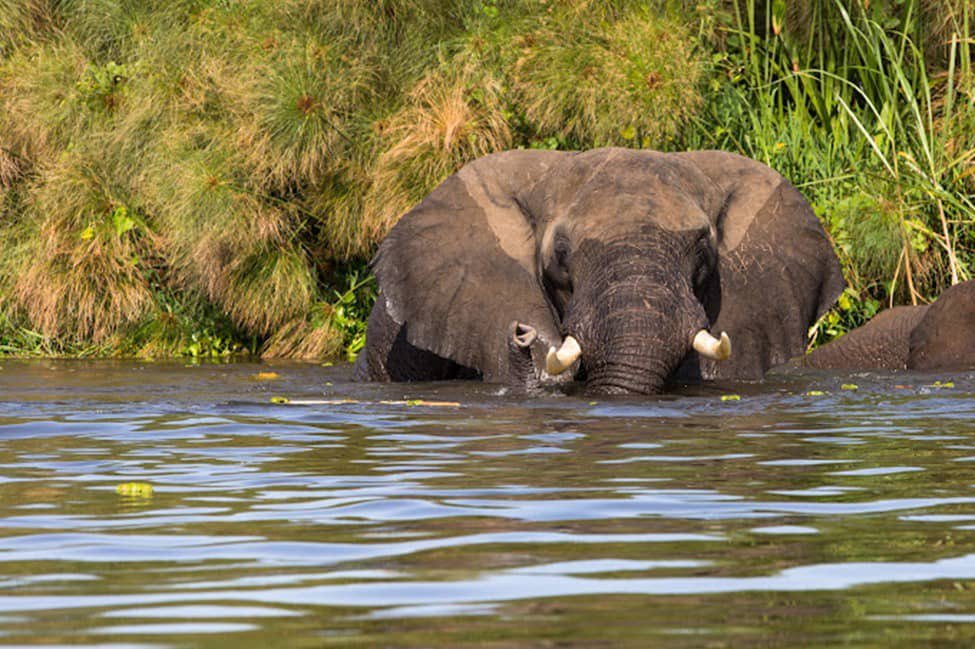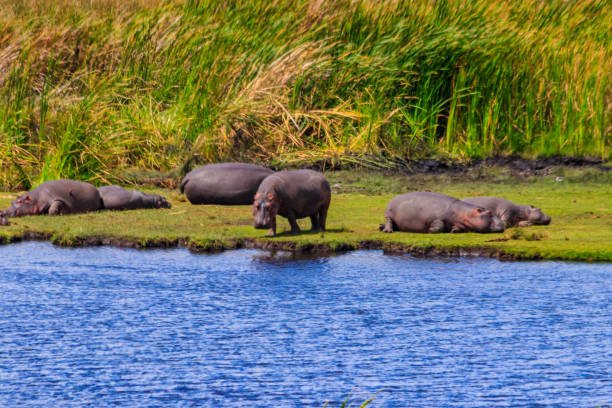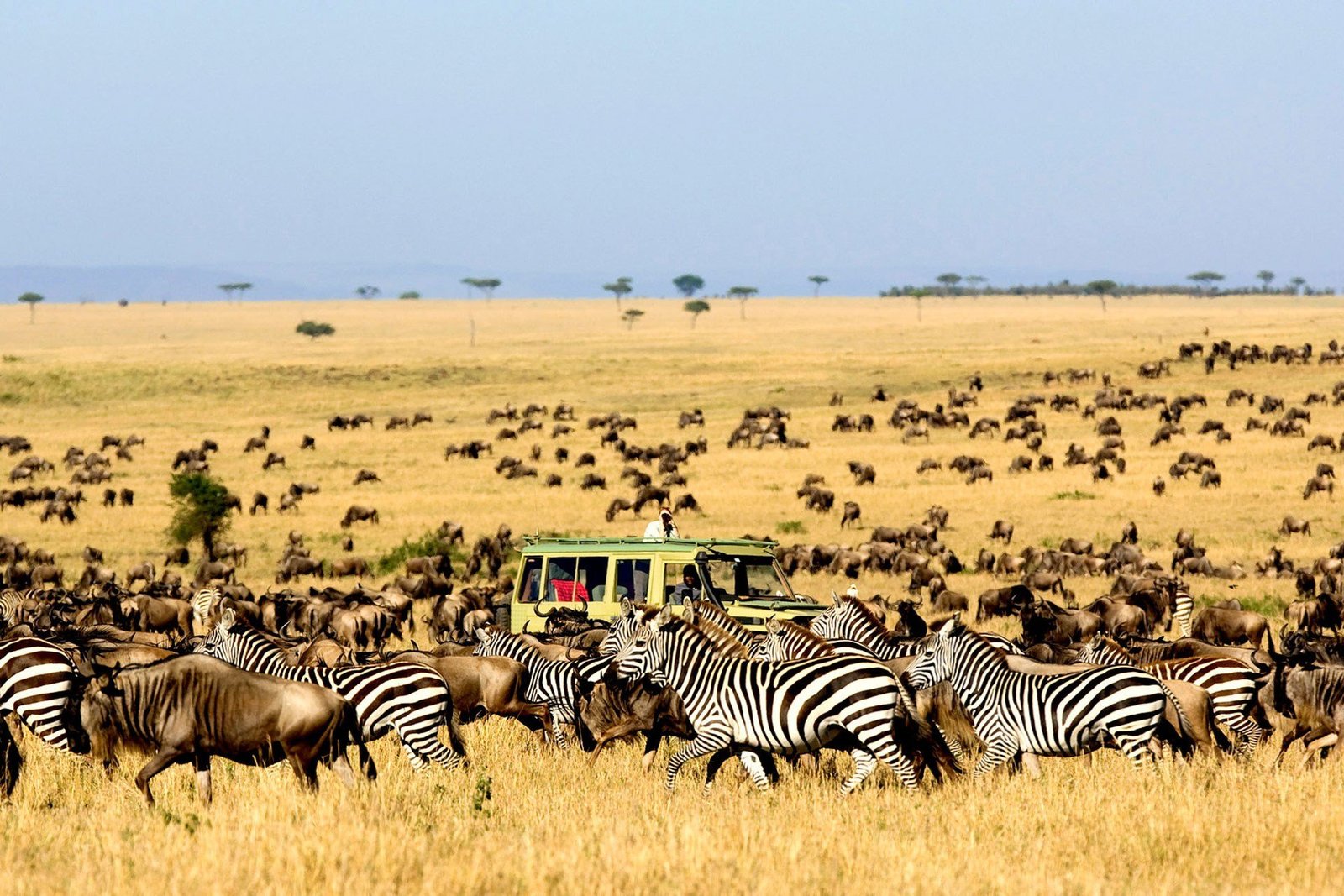
A safari in Uganda is more than tracking mountain gorillas, spotting tree-climbing lions, or cruising along the Kazinga Channel. It is also an opportunity to discover the country’s rich culinary heritage. Sampling local dishes introduces you to Uganda’s diverse cultures, agricultural traditions, and warm hospitality. Every meal tells a story, from recipes passed down through generations to fresh ingredients grown in fertile soils across the country.
Uganda’s cuisine varies from region to region, reflecting the traditions of more than 50 ethnic groups. Whether you enjoy a home-cooked meal in a village, dine at a safari lodge, or visit a bustling local restaurant, you’ll find delicious local dishes prepared with fresh vegetables, tropical fruits, grains, fish, and meat. At Jerodi Africa Safari, we encourage every traveler to explore Uganda through its food as well as its wildlife.
Why You Should Try Local Dishes During Your Safari
Trying local dishes is one of the easiest ways to experience Uganda like a local. Food connects people, and sharing a meal often leads to memorable conversations and cultural exchanges. Many traditional dishes use ingredients grown by nearby farmers, making them fresh, nutritious, and full of authentic flavor.
Local meals also support community tourism. When you eat at locally owned restaurants or participate in traditional cooking experiences, you help create income for families while preserving Uganda’s culinary traditions.
1. Matooke – Uganda’s National Dish
No list of local dishes is complete without matooke. Made from green cooking bananas, matooke is peeled, wrapped in banana leaves, steamed until tender, and mashed into a soft, flavorful meal. It has been a staple food in central Uganda for centuries.
Matooke is commonly served with:
- Groundnut (peanut) sauce
- Beef stew
- Chicken
- Beans
- Fresh vegetables
- Fish
Its mild flavor pairs perfectly with rich sauces, making it one of the most satisfying meals after a day of gorilla trekking or game viewing.
Best places to try it: Kampala, Entebbe, Bwindi, Queen Elizabeth National Park, and community restaurants throughout Uganda.
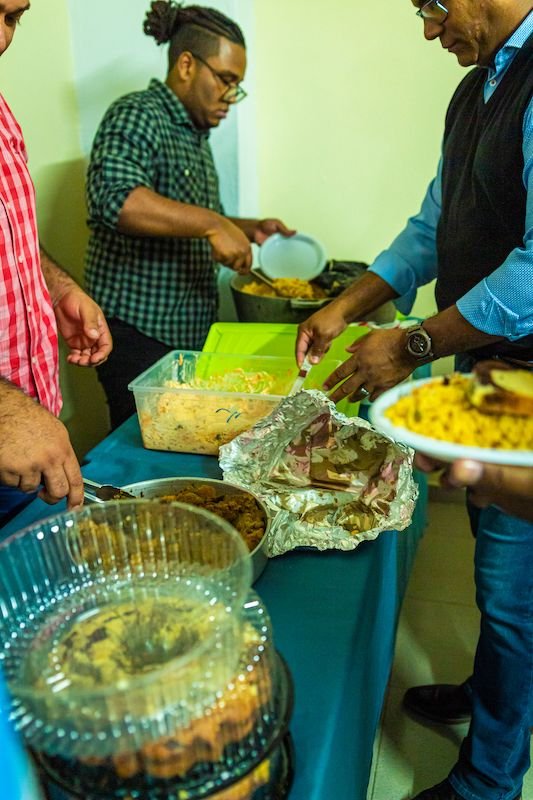
2. Luwombo – Uganda’s Royal Stew
Originally prepared for the Buganda Kingdom, Luwombo remains one of Uganda’s most celebrated local dishes. The dish combines chicken, beef, goat, mushrooms, or groundnuts with vegetables before slow-cooking everything inside banana leaves.
Cooking inside banana leaves locks in moisture and creates an incredibly rich aroma without using excessive oil.
Luwombo represents Uganda’s culinary creativity and often appears during weddings, family celebrations, and cultural ceremonies.
Best places to try it: Kampala restaurants, cultural villages, and traditional dining experiences.
3. Rolex – Uganda’s Most Famous Street Food
No visitor should leave Uganda without tasting a Rolex. Despite its name, it has nothing to do with luxury watches. The name comes from “rolled eggs.”
A Rolex includes:
- Fresh chapati
- Omelette
- Tomatoes
- Onions
- Cabbage
- Optional avocado or vegetables
Affordable, delicious, and freshly prepared, Rolex has become one of Uganda’s most popular local dishes for breakfast, lunch, or a quick snack.
Travelers often enjoy watching street vendors prepare Rolex in front of them, making it a memorable cultural experience.
Best places to try it: Kampala, Jinja, Mbarara, Fort Portal, and roadside markets.
4. Groundnut Sauce with Posho
Groundnut sauce is one of the richest and most comforting local dishes served across Uganda. Roasted peanuts are ground into a smooth paste before being cooked into a creamy sauce that pairs beautifully with posho, a firm maize meal similar to polenta.
Many families also serve it with:
- Sweet potatoes
- Cassava
- Rice
- Beans
- Smoked fish
- Beef stew
The combination is filling, nutritious, and enjoyed throughout the country. It reflects Uganda’s agricultural abundance and the importance of peanuts in local cooking.
Best places to try it: Local homes, community restaurants, and safari lodges serving traditional Ugandan cuisine.
5. Muchomo – Uganda’s Favorite Grilled Meat
If you enjoy barbecue, Muchomo is one of the local dishes you simply cannot miss. The word muchomo means “roast” or “grilled,” and you’ll find vendors grilling fresh goat, beef, chicken, and even pork over charcoal throughout Uganda.
The meat is seasoned lightly with salt and local spices, allowing its natural flavor to shine. It is often served with kachumbari (a fresh tomato and onion salad), roasted plantains, cassava, or chips.
Sharing a plate of Muchomo with friends is a popular social tradition, especially in the evenings. It is the perfect meal after a day of game drives or gorilla trekking.
Best places to try it: Kampala, Mbarara, Kabale, Jinja, and roadside grills across Uganda.
Image Alt Text: Local dishes featuring Ugandan grilled goat
6. Fresh Tilapia from Lake Victoria.
Uganda is blessed with Africa’s largest lake, making fresh fish one of the country’s finest local dishes. Tilapia from Lake Victoria is especially popular because of its delicate flavor and firm texture.
Chefs usually grill or fry the whole fish before serving it with lemon, vegetables, chips, rice, or matooke. Along the shores of Lake Victoria and Lake Kyoga, fishing communities prepare fish using recipes that have been passed down for generations.
Dining beside the lake while enjoying freshly caught tilapia is an unforgettable culinary experience.
Best places to try it: Entebbe, Jinja, Ssese Islands, and lakeside restaurants.
7. Malewa – A Unique Taste of Eastern Uganda
One of Uganda’s most distinctive local dishes comes from the Bagisu people around Mount Elgon. Malewa is prepared from smoked bamboo shoots that are dried before cooking.
The bamboo shoots are slowly simmered with groundnut sauce, onions, tomatoes, and spices to create a rich, smoky flavor unlike anything else in Uganda.
Although Malewa may sound unusual to first-time visitors, many travelers are pleasantly surprised by its delicious taste and cultural significance.
Best places to try it: Mbale, Sipi Falls, and cultural restaurants in eastern Uganda
8. Eshabwe – The Taste of Ankole
When visiting southwestern Uganda, don’t miss Eshabwe, one of the region’s most cherished local dishes. This creamy sauce is made from ghee (clarified butter), rock salt, and warm water, creating a smooth, buttery flavor.
The Banyankole traditionally serve Eshabwe during weddings, family celebrations, and important cultural ceremonies. It pairs perfectly with millet bread, matooke, sweet potatoes, or boiled bananas.
The dish reflects the importance of cattle keeping in Ankole culture, where dairy products have played a central role for centuries.
Best places to try it: Mbarara, Lake Mburo area, and Ankole cultural experiences.
9. Uganda’s Diverse Culinary Heritage
One of the most fascinating aspects of Uganda’s cuisine is how each region has its own specialties. Central Uganda is known for matooke and Luwombo, eastern Uganda proudly serves Malewa, while western Uganda delights visitors with Eshabwe. Along the lakeshores, fresh fish dominates local menus, and throughout the country, roadside vendors prepare delicious Rolex and Muchomo.
Trying these local dishes is more than satisfying your appetite—it is a chance to learn about Uganda’s history, traditions, and communities. Further more, every recipe reflects local ingredients, family traditions, and cultural identity that have been preserved over generations.
At Jerodi Africa Safari, we encourage guests to go beyond the safari lodge buffet and experience authentic Ugandan cuisine. Whether you’re enjoying a traditional village lunch, visiting a local market, or sharing a meal with a host family, food creates lasting memories and meaningful connections with the people you meet.
10. Millet Bread (Kalo) with Simsim or Groundnut Sauce
Millet has nourished Ugandan communities for centuries, especially in the eastern and northern regions. Kalo, a firm millet bread, ranks among the most nutritious local dishes you can enjoy during your safari.
People often serve Kalo with a variety of flavorful accompaniments. For example, many families enjoy it with simsim (sesame) sauce or groundnut sauce. In addition, it pairs well with beans, smoked fish, beef stew, and traditional vegetables.
Its slightly earthy flavor pairs beautifully with rich sauces, making it a favorite among many local communities.
Best places to try it: Soroti, Mbale, Gulu, Lira, and community cultural experiences.
Dining Etiquette When Enjoying Local Cuisine
Sampling local dishes is also an opportunity to experience Uganda’s famous hospitality. While dining customs vary across the country, a few simple practices will help you show respect.
Greet Your Hosts
Ugandans appreciate polite greetings before sharing a meal. Taking time to greet everyone creates a warm and welcoming atmosphere.
Wash Your Hands
Many traditional meals are eaten by hand, especially matooke, Kalo, and sweet potatoes. It is common for hosts to provide water or handwashing facilities before eating.
Accept Hospitality Graciously
Offering food is a sign of friendship and generosity. Even tasting a small portion shows appreciation for your hosts’ efforts.
Try Something New
Uganda’s cuisine offers flavors you may never have experienced before. Keeping an open mind often leads to the most memorable local dishes and cultural experiences.
Frequently Asked Questions About Local Dishes
What is Uganda’s national dish?
Matooke is widely regarded as Uganda’s national dish. It is served throughout the country and accompanies many traditional meals.
Are local dishes spicy?
Ugandans typically cook local dishes with mild seasoning. If you prefer spicy food, simply ask for fresh chili to add at the table.
Can vegetarians enjoy Ugandan food?
Absolutely. Many traditional meals feature beans, groundnuts, vegetables, cassava, sweet potatoes, millet, rice, and matooke, making Uganda an excellent destination for vegetarian travelers.
Is it safe to eat local dishes?
Yes. Jerodi Africa Safari recommends trusted restaurants, safari lodges, and community tourism partners that prepare food using fresh ingredients and high hygiene standards.
Can I learn to cook Ugandan dishes?
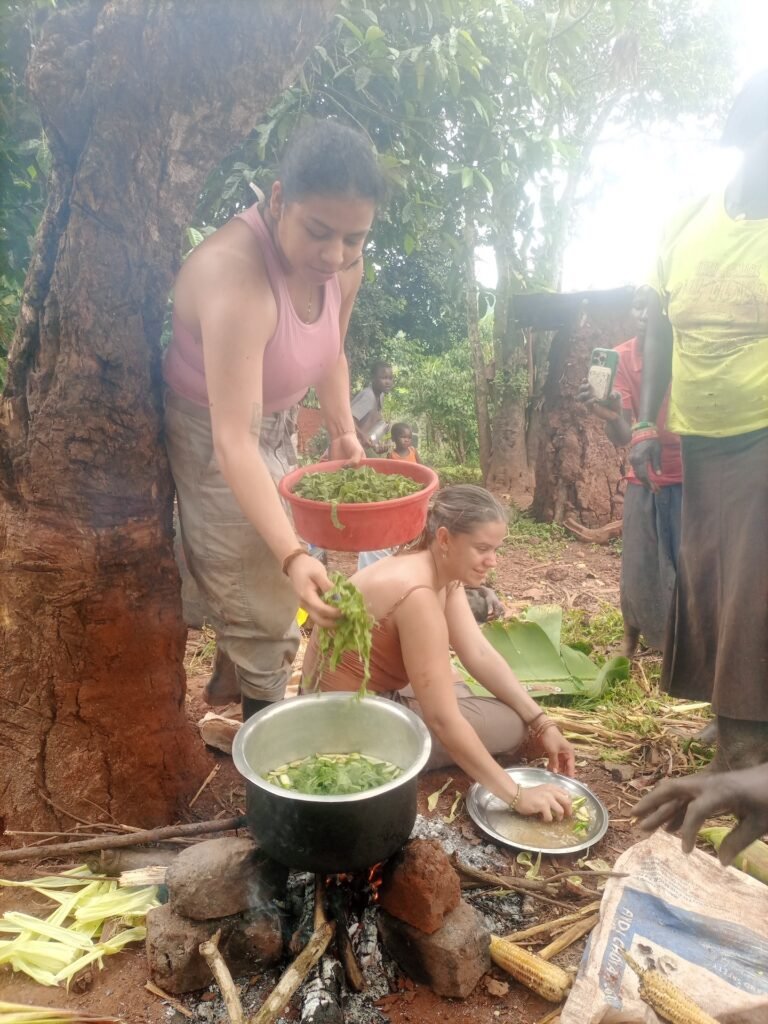
Yes. Many community tourism experiences include traditional cooking demonstrations where visitors learn to prepare matooke, Rolex, groundnut sauce, and other authentic local dishes.
Why Food Should Be Part of Every Uganda Safari
Wildlife may be the reason you visit Uganda, but its food often becomes one of the most memorable parts of the journey. Every plate tells a story about the country’s people, landscapes, and traditions. Whether you enjoy fresh tilapia beside Lake Victoria, a roadside Rolex in Jinja, or a traditional meal prepared in a rural village, local dishes create meaningful connections that go far beyond sightseeing.
Food also supports local farmers, family-owned restaurants, and community tourism initiatives. By choosing authentic dining experiences, you contribute directly to local livelihoods while discovering the flavors that make Uganda unique.
Conclusion
A safari in Uganda is an adventure for all the senses, and the country’s local dishes deserve a place alongside its incredible wildlife and breathtaking scenery. For example, the comforting taste of matooke and groundnut sauce, the smoky flavors of Muchomo, and the freshness of Lake Victoria tilapia each offer a unique glimpse into Uganda’s rich cultural heritage. More importantly, exploring these traditional recipes allows you to connect with local communities, appreciate regional traditions, and create unforgettable memories around the table. As a result, your safari becomes more than a wildlife adventure—it becomes a true cultural journey.
At Jerodi Africa Safari, we believe that the best journeys combine extraordinary wildlife encounters with authentic cultural experiences. Our tailor-made safaris give you the opportunity to enjoy Uganda’s finest local dishes, visit vibrant local markets, join traditional cooking experiences, and share meals with welcoming communities. Contact Jerodi Africa Safari today and let us design a safari that introduces you to the incredible flavors, cultures, and adventures that make Uganda the true Pearl of Africa. Need More?