
East Africa wildlife safaris offer some of the most extraordinary animal encounters anywhere in the world. This region is home to vast savannahs, ancient forests, dramatic landscapes, and some of the highest concentrations of wildlife on the planet. For travelers seeking authentic safari experiences, East Africa remains the gold standard.
Countries such as Tanzania, Kenya, Uganda, and Rwanda form the heart of East African safari tourism. Each offers something distinct, from the sweeping plains of the Serengeti to the mist-covered forests where mountain gorillas roam. Together, they create a safari circuit that appeals to first-time visitors and experienced travelers alike.
This guide explores the most rewarding East Africa wildlife safaris, highlighting the destinations that define the region and explaining why these experiences continue to captivate travelers from around the world.
Why Choose East Africa for Wildlife Safaris
East Africa wildlife safaris stand out because of the region’s scale, biodiversity, and long-standing safari traditions. Few places offer such a wide range of ecosystems within relatively close distances. In a single journey, travelers can explore open plains, volcanic craters, lakes, rivers, and dense rainforests.
Another defining feature of East Africa is the quality of guiding. Professional safari guides bring deep knowledge of animal behavior, conservation, and local ecosystems, transforming each game drive into an educational and immersive experience. Combined with well-managed national parks and conservation areas, this makes East Africa one of the most reliable regions for wildlife viewing.
Serengeti National Park, Tanzania
The Serengeti is synonymous with classic African safaris and remains one of the highlights of East Africa wildlife safaris. Its vast plains support an extraordinary abundance of animals, creating a sense of wilderness that feels both raw and timeless.
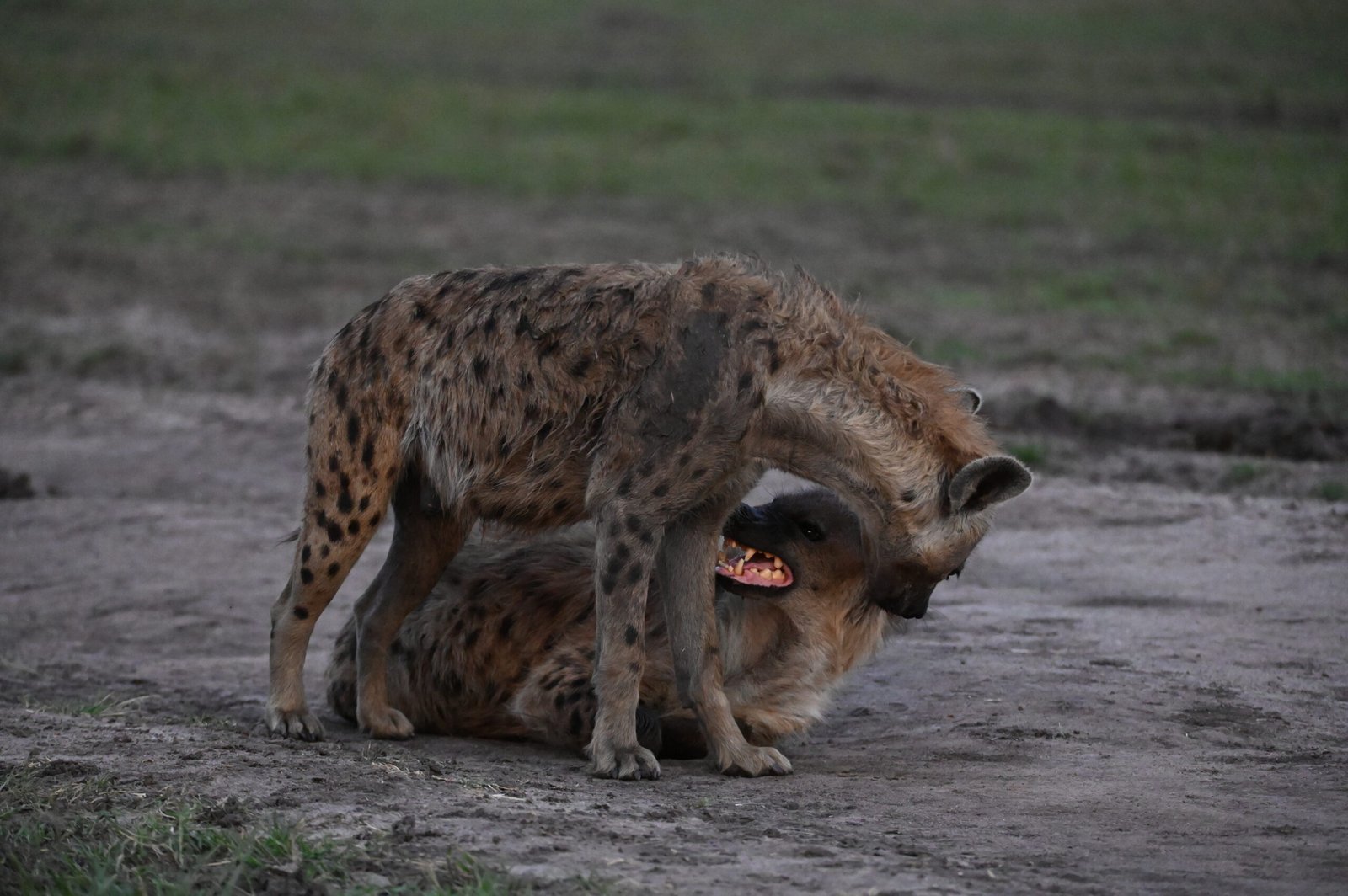
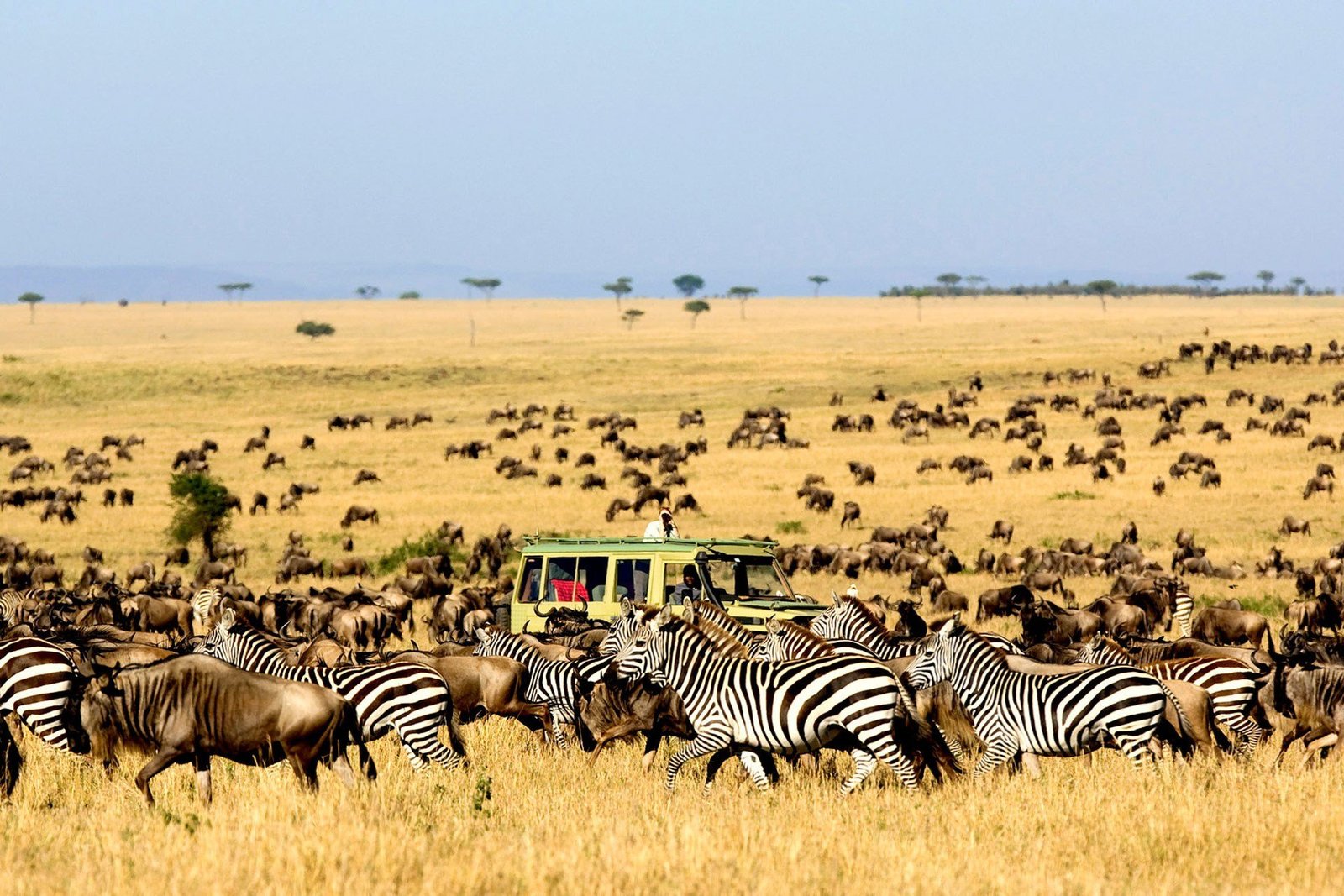
The park is world-famous for the Great Wildebeest Migration, during which millions of wildebeest, zebras, and gazelles move across the ecosystem in search of fresh grazing. Predators follow closely, offering dramatic wildlife encounters that are unmatched in scale. Lions, cheetahs, leopards, and hyenas are commonly seen throughout the year.
Beyond the migration, the Serengeti’s resident wildlife ensures excellent game viewing in every season. The park’s immense size also allows travelers to experience moments of solitude, making it ideal for those who value immersion and space.
Ngorongoro Conservation Area, Tanzania
The Ngorongoro Conservation Area offers one of the most unique safari environments in East Africa. The Ngorongoro Crater, a collapsed volcanic caldera, contains a self-sustaining ecosystem with a remarkable density of wildlife.
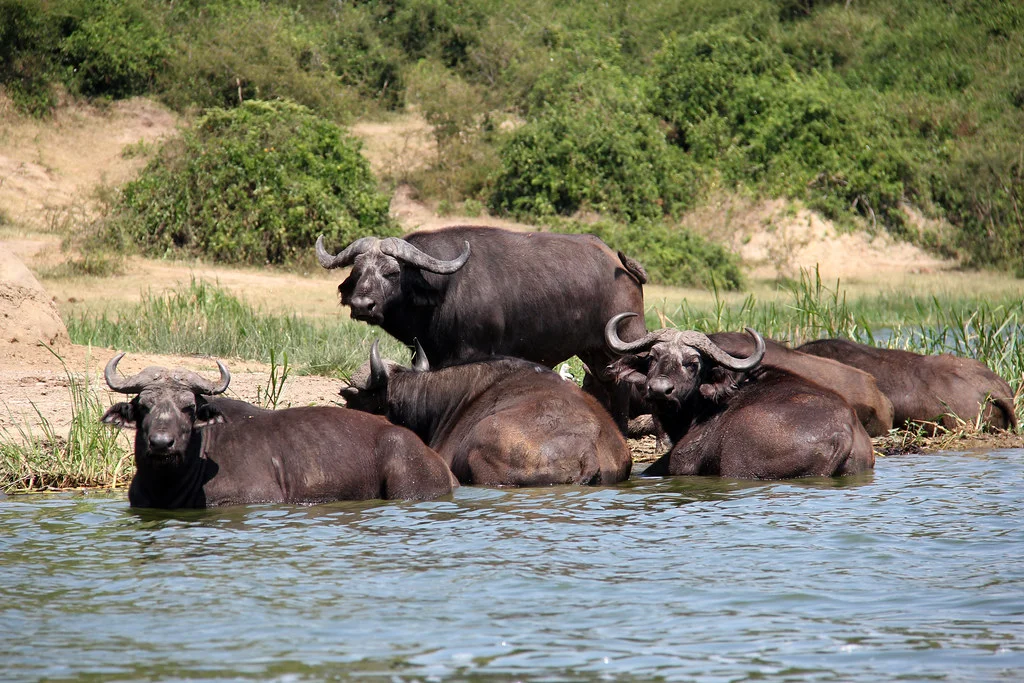
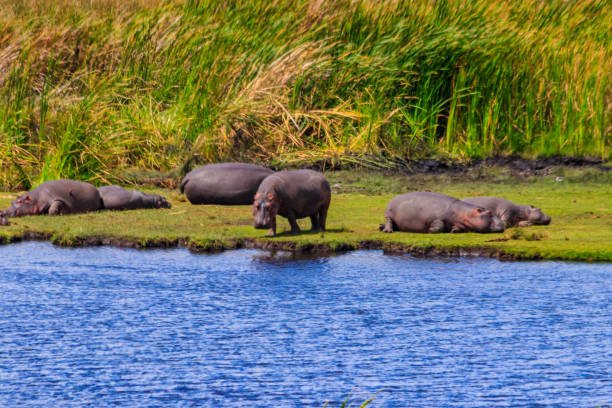
Within the crater, travelers can expect to see lions, elephants, buffalo, hippos, and large herds of plains game. It is also one of the best places in East Africa to spot the endangered black rhino. The surrounding landscapes, including highland forests and open grasslands, add visual drama to the experience.
Although Ngorongoro is popular, its consistent wildlife sightings and extraordinary setting make it a key destination for East Africa wildlife safaris.
Masai Mara National Reserve, Kenya
Kenya’s Masai Mara National Reserve is a cornerstone of East Africa wildlife safaris. Known for its high predator density, the Masai Mara delivers frequent sightings of lions, cheetahs, and leopards against a backdrop of rolling grasslands.
The reserve plays a crucial role in the Great Wildebeest Migration, particularly during the dramatic river crossings that occur between July and October. These events are among the most iconic wildlife spectacles in the world.
In addition to wildlife, the Masai Mara is closely linked to Maasai culture. Community conservancies surrounding the reserve support conservation while offering travelers insights into local traditions, adding cultural depth to the safari experience.
Amboseli National Park, Kenya
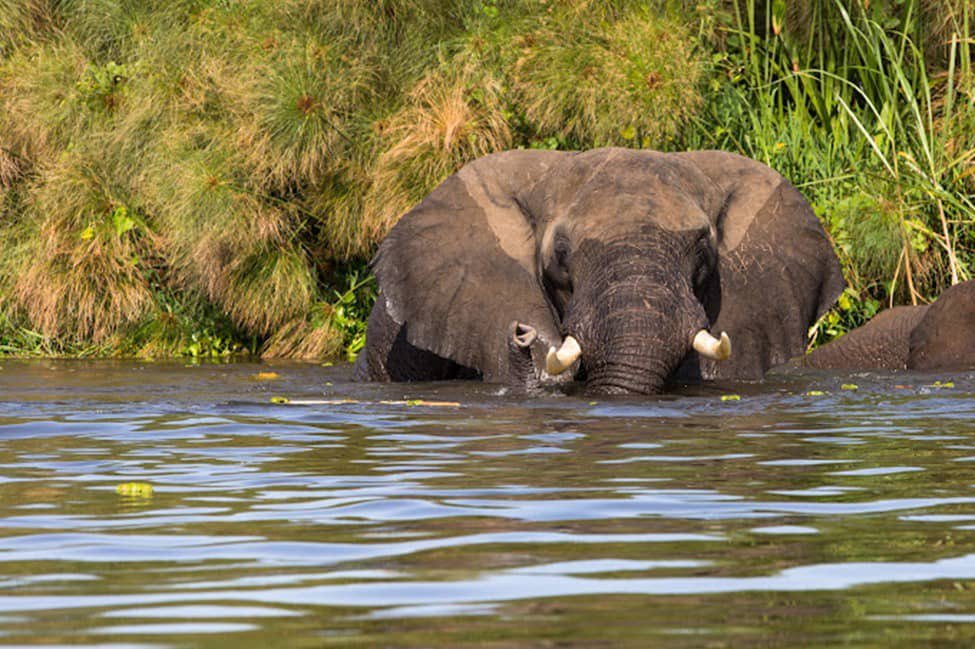
Amboseli National Park is best known for its elephant populations and stunning views of Mount Kilimanjaro. The park’s open plains and seasonal swamps create excellent conditions for wildlife viewing, especially for elephants, which are often seen in large family groups.
Lions, cheetahs, buffalo, giraffes, and numerous bird species also inhabit the park. The relatively compact size of Amboseli makes it easy to explore, and its scenery is particularly appealing to photographers.
As part of East Africa wildlife safaris, Amboseli offers a balance of strong wildlife encounters and iconic landscapes.
Tarangire National Park, Tanzania
Tarangire National Park is one of Tanzania’s quieter safari destinations, making it a favorite among travelers seeking a more relaxed experience. The park is characterized by ancient baobab trees and the Tarangire River, which attracts wildlife during the dry season.
Large elephant herds are a defining feature of Tarangire, along with lions, leopards, giraffes, and abundant birdlife. The park’s lower visitor numbers compared to more famous destinations create a sense of exclusivity and calm.
Tarangire fits naturally into East Africa wildlife safaris, especially for those exploring northern Tanzania.
Lake Manyara National Park, Tanzania
Lake Manyara National Park offers a compact yet diverse safari experience. Its landscapes range from groundwater forests to open plains and a shallow soda lake that supports large numbers of birds.
Wildlife sightings commonly include elephants, hippos, baboons, and a variety of antelope species. The park is also known for its tree-climbing lions, although sightings depend on timing. Lake Manyara is often included as a short stop that adds scenic variety to longer safari itineraries.
Bwindi Impenetrable Forest, Uganda
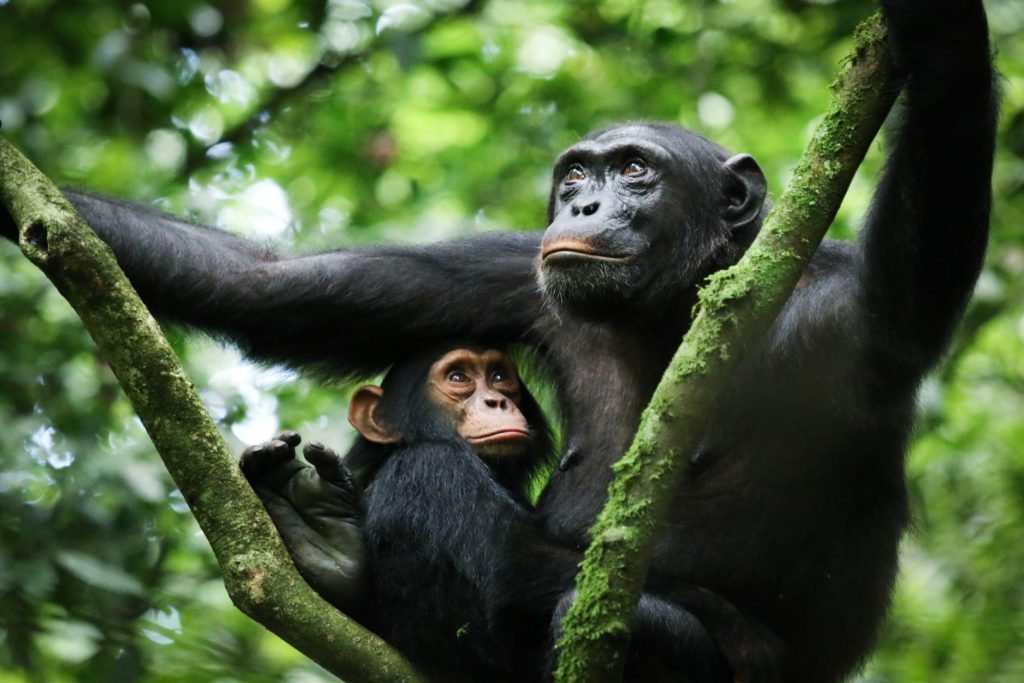
Bwindi Impenetrable Forest introduces a different dimension to East Africa wildlife safaris through mountain gorilla trekking. This dense rainforest is home to nearly half of the world’s remaining mountain gorillas.
Gorilla trekking involves hiking through challenging terrain to spend time observing a habituated gorilla family. The experience is both physically demanding and deeply emotional, offering close and respectful encounters with these remarkable animals.
Bwindi is often combined with savannah safaris in Uganda, creating a well-rounded wildlife journey.
Queen Elizabeth National Park, Uganda
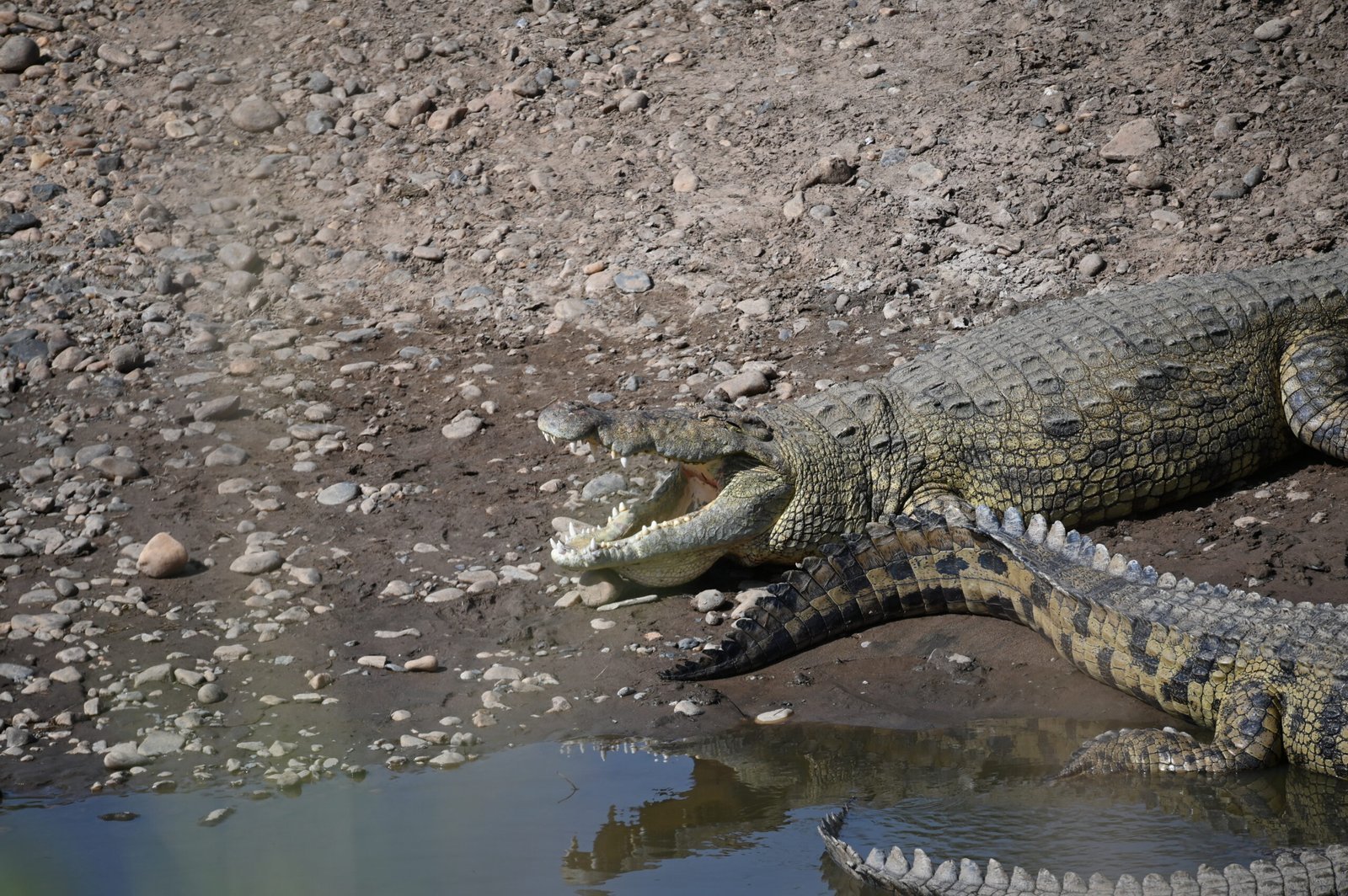
Queen Elizabeth National Park is one of Uganda’s most diverse wildlife areas. Its mix of savannah, wetlands, lakes, and forests supports elephants, lions, buffalo, hippos, crocodiles, and an impressive variety of bird species.
A highlight of the park is the Kazinga Channel boat cruise, which allows travelers to observe wildlife from the water. The Ishasha sector is also known for its tree-climbing lions, a rare sight that adds to the park’s appeal.
Queen Elizabeth National Park offers a quieter alternative within East Africa wildlife safaris, ideal for travelers seeking diversity without heavy crowds.
Lake Mburo National Park, Uganda
Lake Mburo National Park is smaller and more intimate than many safari destinations, making it well suited for travelers who prefer a slower pace. The park is home to zebras, impalas, buffalo, and rich birdlife.
Activities here extend beyond game drives to include walking safaris, boat cruises, and night game drives. Its location along major travel routes makes it a convenient and rewarding stop between other destinations.
Volcanoes National Park, Rwanda
Volcanoes National Park is one of the premier gorilla trekking destinations in East Africa. Set among dramatic volcanic peaks, the park offers carefully managed trekking experiences that emphasize conservation and sustainability.
Rwanda’s focus on high-quality tourism ensures a smooth and meaningful experience, making Volcanoes National Park a valuable addition to East Africa wildlife safaris for travelers interested in primates and conservation-focused travel.
Planning East Africa Wildlife Safaris
When planning East Africa wildlife safaris, factors such as season, travel time, budget, and personal interests play an important role. Some travelers focus on one country, while others combine multiple destinations to experience a wider range of landscapes and wildlife.
Working with an experienced safari operator helps ensure smooth logistics, knowledgeable guides, and itineraries tailored to individual preferences. Good planning allows travelers to focus on enjoying the experience rather than managing details.
Key Takeaways: East Africa Wildlife Safaris
East Africa wildlife safaris offer some of the richest and most diverse safari experiences in the world. From the vast savannahs of Tanzania and Kenya to the rainforests of Uganda and Rwanda, travelers can enjoy exceptional wildlife encounters across multiple ecosystems.
Choosing the right destination depends on interests such as the Great Migration, big cat sightings, gorilla trekking, or quieter parks with fewer crowds. With careful planning and expert guidance, East Africa wildlife safaris provide unforgettable and deeply rewarding travel experiences.
Final Thoughts on East Africa Wildlife Safaris
From vast plains and volcanic craters to dense forests and winding waterways, East Africa wildlife safaris offer extraordinary diversity and depth. Each destination contributes something unique, yet all share a commitment to conservation and authentic wildlife encounters.
For travelers seeking unforgettable experiences, expert guiding, and some of the most remarkable wildlife on Earth, East Africa remains one of the finest safari regions in the world.
Useful links: East Africa Online Visa Application