
Planning your first safari can feel overwhelming, especially if you have never traveled to Africa before. If you are trying to plan a safari in Africa for the first time, it helps to understand how safari travel works, where to go, and what to expect. With the right preparation, an African safari becomes an exciting and rewarding experience rather than a confusing one.
The good news is that planning a safari does not have to be complicated. With the right approach and realistic expectations, a first African safari can be smooth, rewarding, and truly life-changing. This guide walks you through everything you need to know so you can plan your trip with confidence and enjoy the experience from the moment you arrive. Ask The Experts
Understanding African Safari Planning for First-Time Travelers
For many first-time travelers, the word “safari” brings images of luxury lodges, open vehicles, and endless wildlife encounters. While these images are accurate, a safari is more than just game drives and animal sightings. It is an experience that involves travel through remote areas, early mornings, long drives, and close interaction with nature.
Safaris are not fast-paced sightseeing tours. They are about patience, observation, and immersion. Some days you may see a great deal of wildlife, while other days are quieter and slower. Understanding this rhythm before you go helps set realistic expectations and allows you to enjoy the experience more fully.
How to Plan a Safari in Africa With Confidence
Africa has many safari destinations, but not all are ideal for first-time travelers. Countries such as Tanzania, Kenya, Uganda, South Africa, and Botswana are among the most popular because they offer well-developed safari infrastructure, experienced guides, and reliable wildlife viewing.
East Africa, particularly Tanzania and Kenya, is often recommended for first-time travelers because of its iconic landscapes and abundant wildlife. Parks like the Serengeti, Ngorongoro Crater, and Masai Mara offer consistent sightings of animals, including the Big Five. These destinations also provide a classic safari experience that many people imagine when they think of Africa.
Southern Africa, including South Africa and Botswana, is also suitable for beginners, especially for travelers who prefer shorter travel distances and more luxury accommodation options. Each region has its strengths, and the best choice depends on your budget, time available, and travel preferences.
Deciding the Best Time to Go on Safari
Timing plays a major role in safari planning. Wildlife viewing is possible year-round in many African destinations, but certain seasons offer better conditions than others. Most first-time travelers choose the dry season because animals gather around water sources, making them easier to spot.
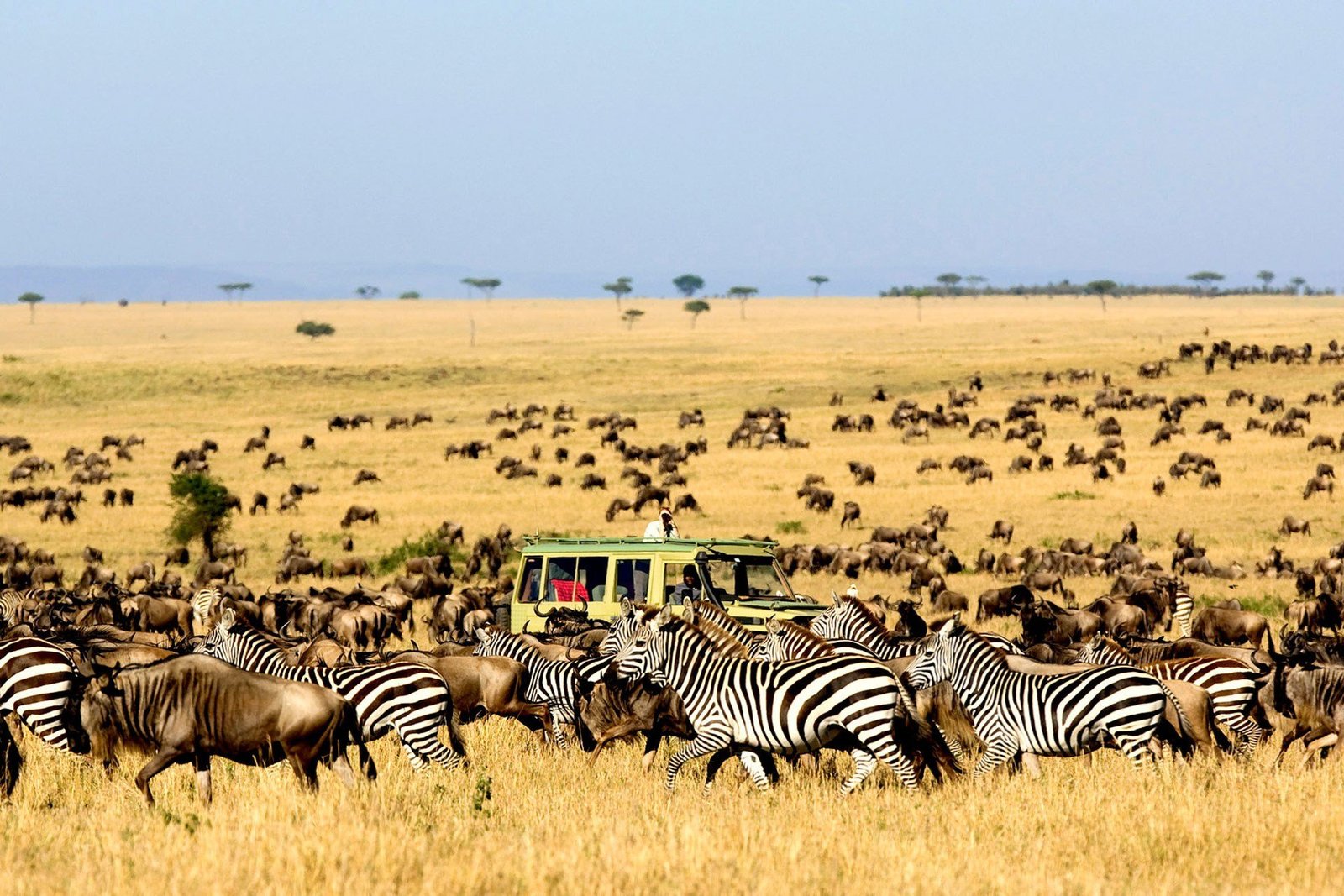
In East Africa, the dry season generally runs from June to October, which coincides with the Great Wildebeest Migration in Tanzania and Kenya. This period offers excellent wildlife viewing but is also the busiest and most expensive time to travel. The green season, which usually falls between November and May, offers fewer crowds, lower prices, and lush landscapes, although wildlife may be more dispersed.
Understanding seasonal differences helps first-time travelers balance cost, crowd levels, and wildlife expectations. There is no single “best” time for everyone, only the best time for your personal priorities. Ask The Experts
Setting a Realistic Safari Budget
One of the most common concerns for first-time safari travelers is cost. Safaris can range from relatively affordable to very expensive, depending on destination, accommodation, and travel style. It is important to understand that safari pricing includes more than just accommodation. Park fees, professional guides, safari vehicles, fuel, meals, and logistics all contribute to the overall cost.
Budget safaris often involve shared vehicles, simpler lodges, and more driving between parks. Mid-range safaris balance comfort and cost, offering good lodges and experienced guides without excessive luxury. Luxury safaris focus on exclusivity, private vehicles, premium accommodation, and personalized service.
Setting a clear budget early in the planning process helps narrow down options and prevents disappointment later. A good safari operator can adjust itineraries to match your budget while still delivering a memorable experience.
Many first-time visitors find that once they plan a safari in Africa with clear expectations and expert advice, the experience becomes far more enjoyable and stress-free.
Choosing the Right Length for Your First Safari
First-time travelers often underestimate how much time is needed for a safari. While it is possible to see wildlife in just a few days, most travelers find that a safari feels rushed if it is too short. Travel between parks, rest time, and the pace of game drives all need to be considered.
For a first safari, five to seven days is usually ideal. This allows time to explore multiple parks, enjoy relaxed game drives, and adjust to the environment without feeling exhausted. Longer safaris offer deeper experiences but may not be necessary for first-time visitors with limited vacation time. Ask The Experts
Understanding Safari Accommodation Options
Accommodation is a key part of the safari experience. First-time travelers are often surprised to learn that safari lodges and camps vary widely in style, comfort, and location. Some lodges are permanent structures with modern amenities, while others are tented camps that bring guests closer to nature without sacrificing comfort.
Tented camps are especially popular with first-time travelers because they provide an authentic safari atmosphere while still offering proper beds, private bathrooms, and excellent service. Lodges inside national parks reduce travel time and allow early access to wildlife areas, while lodges outside parks may offer lower prices and additional activities.
Choosing the right accommodation depends on your comfort level, budget, and desire for immersion in nature.
What to Expect on a Typical Safari Day
A typical safari day starts early, often before sunrise. Early mornings are the best time to see wildlife, as animals are more active when temperatures are cooler. After a morning game drive, guests usually return to the lodge for breakfast and rest during the hottest part of the day.
Afternoon game drives begin later in the day and continue until sunset. Evenings are spent enjoying dinner, sharing stories, and listening to the sounds of nature. First-time travelers should be prepared for early mornings, dusty roads, and long periods in a safari vehicle, but most find these aspects become part of the adventure.
Packing for Your First African Safari
Packing correctly can greatly improve your safari experience. Clothing should be comfortable, lightweight, and suitable for warm days and cooler mornings. Neutral colors are preferred, as they blend into the environment and attract less attention from wildlife.
First-time travelers should also pack essentials such as sunscreen, insect repellent, a hat, and a good camera. Binoculars are useful but not always necessary, as guides often carry them. Packing light is important, especially for safaris that involve small aircraft transfers with luggage restrictions.
Health, Safety, and Travel Requirements
Health and safety are common concerns for first-time safari travelers. Reputable safari destinations and operators prioritize guest safety, and serious incidents are rare. Following your guide’s instructions and respecting wildlife rules are key to staying safe.
Travelers should check vaccination requirements and consult a healthcare provider before departure. Some regions require malaria precautions, while others do not. Travel insurance is strongly recommended, covering medical emergencies, evacuation, and trip cancellation.
Understanding entry requirements such as visas and passport validity is also essential, as these vary by country.
Why Booking With a Safari Specialist Matters
First-time travelers benefit greatly from working with an experienced safari operator. Safari planning involves logistics that are unfamiliar to most travelers, including park permits, vehicle access, guide availability, and seasonal considerations.
A safari specialist can recommend destinations, design a balanced itinerary, and handle all arrangements, allowing you to focus on enjoying the experience. They also provide local knowledge that cannot be easily found online, helping avoid common mistakes that first-time travelers make.
Managing Expectations and Enjoying the Experience
One of the most important aspects of a first safari is managing expectations. Wildlife sightings are never guaranteed, and every safari is different. The magic of a safari often lies in the unexpected moments, such as watching a herd of elephants cross the road or listening to lions roar at night.
Approaching your safari with patience and curiosity allows you to appreciate the full experience, not just the highlights. Many first-time travelers leave Africa with a deeper connection to nature and a desire to return.
When you plan a safari in Africa with clear expectations and expert guidance, the experience becomes more meaningful, relaxed, and unforgettable.
Planning Your First Safari With Confidence
Planning a safari in Africa for the first time may seem complex, but with careful preparation and the right guidance, it becomes an enjoyable part of the journey. Choosing the right destination, setting a realistic budget, and working with experienced professionals all contribute to a successful trip.
A safari is not just a vacation. It is an opportunity to experience wildlife, landscapes, and cultures in a way that few other trips can offer. With thoughtful planning, your first African safari will be an unforgettable adventure that sets the foundation for a lifetime of travel memories.
H2: Frequently Asked Questions H3: Is an African safari suitable for first-time travelers? Yes, an African safari is very suitable for first-time travelers, especially in destinations with strong safari infrastructure such as Tanzania, Kenya, South Africa, and Botswana. With experienced guides and well-organized lodges, first-time visitors can enjoy wildlife safely and comfortably. H3: How many days are ideal for a first safari in Africa? For first-time travelers, a safari lasting between five and seven days is ideal. This allows enough time to explore multiple parks, enjoy relaxed game drives, and adjust to the safari pace without feeling rushed. H3: Is a safari in Africa expensive for beginners? Safari costs vary depending on destination, season, and accommodation level. While safaris can be costly, there are budget, mid-range, and luxury options available, making Africa accessible to many first-time travelers with proper planning. H3: What is the best time of year for a first African safari? The dry season is often best for first-time safari travelers because wildlife is easier to see and road conditions are better. However, traveling in the green season can offer fewer crowds, lower prices, and beautiful landscapes.Key Takeaways for First-Time Safari Travelers
Planning a safari in Africa for the first time requires thoughtful preparation, realistic expectations, and the right destination choice. First-time travelers benefit most from well-established safari countries, traveling during favorable seasons, and choosing itineraries that balance wildlife viewing with comfort.
Understanding safari costs, daily routines, accommodation styles, and health considerations helps remove uncertainty and allows travelers to fully enjoy the experience. Working with an experienced safari operator ensures smooth logistics, knowledgeable guides, and a safari tailored to your travel style.
Use links: East Africa tourist Visa Application