Big Five Uganda wildlife offers one of Africa’s most exciting safari experiences. From powerful lions and massive elephants to elusive leopards, buffalo, and endangered rhinos, Uganda is one of the few countries where visitors can combine Big Five game viewing with mountain gorilla trekking in a single holiday.
Although Uganda is renowned for mountain gorilla trekking, it is equally rewarding for traditional wildlife safaris. In fact, the country is one of the few destinations where visitors can combine gorilla trekking with Big Five game viewing during a single holiday. As a result, Uganda has become one of East Africa’s most exciting safari destinations.
This guide introduces the Big Five of Uganda, explains where to find each animal, explores conservation efforts, and shares practical tips to help you enjoy a safe and unforgettable wildlife adventure.
An Overview of the Big Five of Uganda
The phrase “Big Five” originally referred to the five most difficult and dangerous animals for hunters to track on foot. Today, however, it represents the ultimate wildlife checklist for safari enthusiasts and photographers.
The Big Five of Uganda include:
- African Lion
- African Elephant
- African Buffalo
- Leopard
- Rhinoceros
Each species plays a vital role in maintaining healthy ecosystems. Moreover, every sighting contributes to an unforgettable safari experience.
African Lion
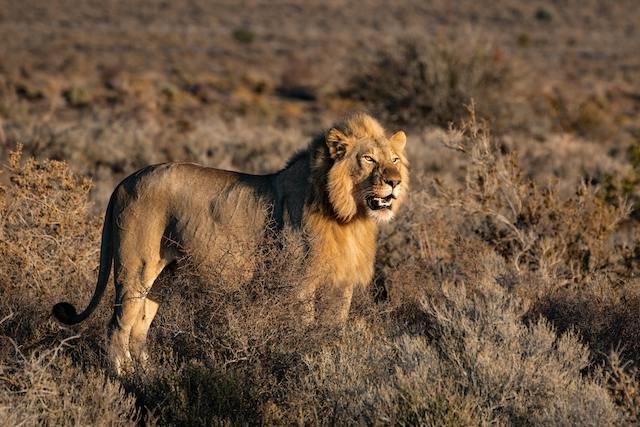
The African lion is often called the “King of the Jungle,” although it primarily inhabits open grasslands and savannahs rather than dense forests.
Uganda’s lions are especially famous because some populations have developed the unusual habit of climbing trees. These remarkable tree-climbing lions are among the country’s most photographed wildlife attractions.
Visitors frequently observe lions:
- Resting beneath acacia trees
- Hunting antelope
- Protecting their prides
- Caring for cubs
- Roaring at sunrise and sunset
African Elephant
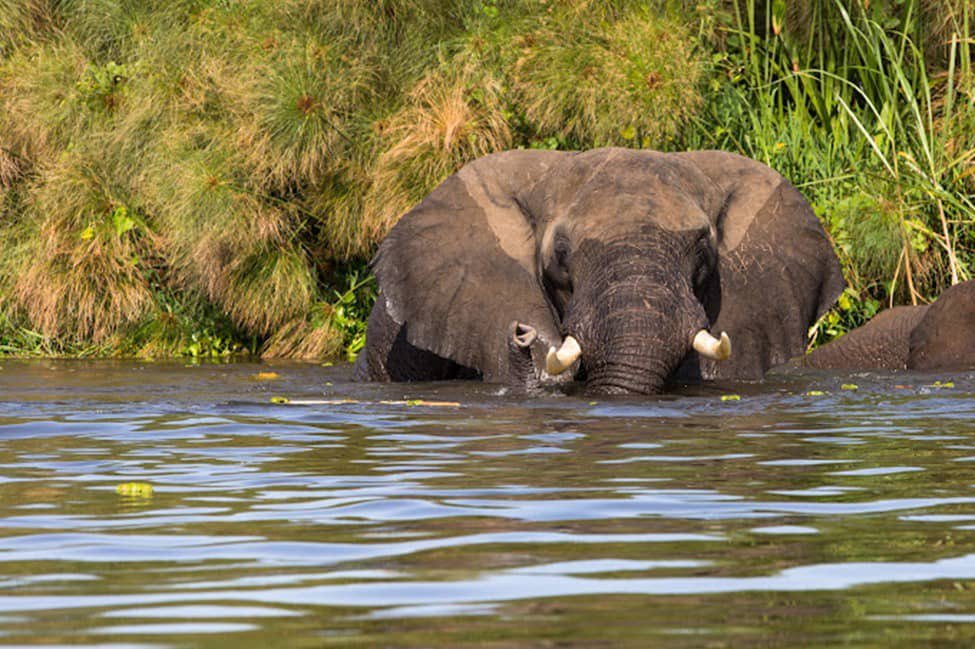
The African elephant is the world’s largest land mammal and one of Uganda’s greatest conservation success stories.
Large herds roam the country’s national parks, where they shape landscapes by opening woodland, dispersing seeds, and creating water access for smaller animals.
Watching a family of elephants interact is often one of the most memorable moments of any Uganda safari.
African Buffalo
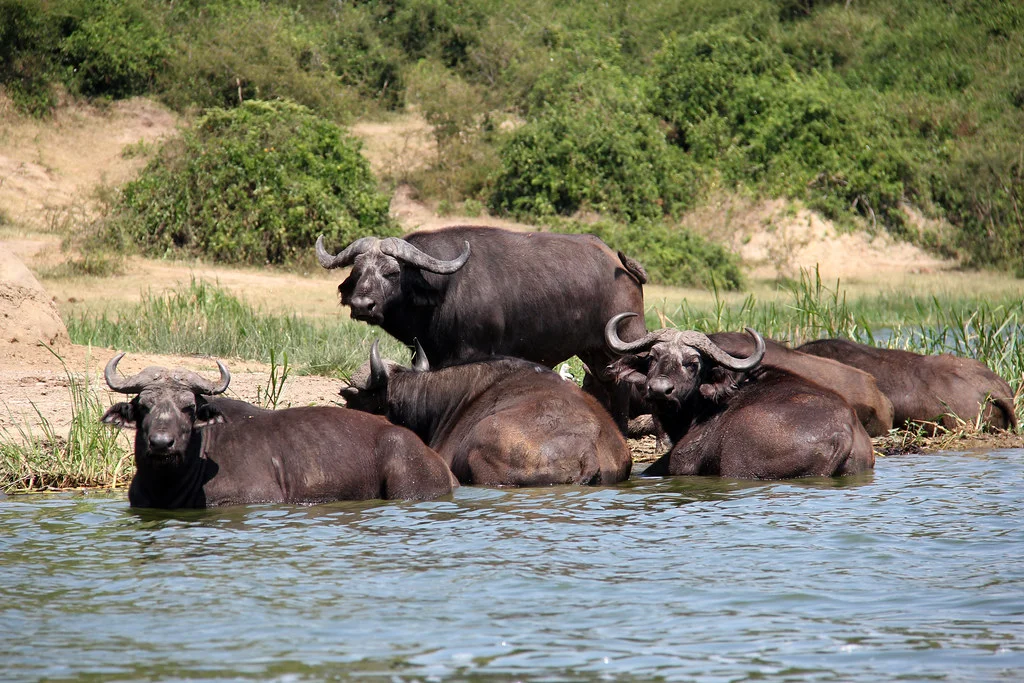
The African buffalo may appear calm, but it is one of Africa’s most powerful and unpredictable animals.
Large herds frequently gather near rivers, wetlands, and open grasslands, creating spectacular wildlife viewing opportunities.
Unlike domestic cattle, African buffalo remain completely wild and play an important role in maintaining healthy savannah ecosystems.
Leopard
The leopard is perhaps the most elusive member of the Big Five of Uganda.
Because these solitary cats are primarily nocturnal, sightings require patience, experienced guides, and a little luck.
Fortunately, Uganda’s national parks offer excellent opportunities to spot leopards during early morning and evening game drives.
Visitors often see them:
- Resting in trees
- Hunting after sunset
- Camouflaged in tall grass
- Carrying prey into branches
Rhinoceros
Rhinos disappeared from Uganda’s national parks several decades ago because of poaching.
Fortunately, successful conservation efforts have brought southern white rhinos back through carefully managed breeding programmes.
Today, visitors can observe these magnificent animals during guided walking safaris, making rhinos one of the most accessible members of the Big Five of Uganda.
Why the Big Five Matter
Beyond their popularity, the Big Five play an essential role in Uganda’s biodiversity.
For example:
- Lions regulate herbivore populations.
- Elephants shape habitats for countless other species.
- Buffalo support predator-prey relationships.
- Leopards help maintain ecological balance.
- Rhinos contribute to healthy grassland ecosystems.
Consequently, protecting these animals also protects hundreds of other wildlife species that share their habitats.
Why Big Five Uganda Wildlife Is World Famous
Several countries offer Big Five safaris. Nevertheless, Uganda provides a unique combination of wildlife experiences that few destinations can match.
During one trip, visitors can:
- Trek mountain gorillas.
- Search for chimpanzees.
- Enjoy Big Five game drives.
- Cruise along wildlife-rich rivers.
- Watch over 1,090 bird species.
- Meet welcoming local communities.
Furthermore, Uganda’s relatively compact size makes travelling between destinations more convenient than in many other African countries.
Quick Guide to the Big Five of Uganda
| Animal | Best Habitat | Chance of Sighting | Famous For |
|---|---|---|---|
| Lion | Savannah | Excellent | Tree-climbing lions |
| Elephant | Savannah & woodland | Excellent | Large family herds |
| Buffalo | Grasslands & wetlands | Excellent | Huge herds |
| Leopard | Woodland & savannah | Good | Secretive behaviour |
| Rhino | Protected sanctuary | Excellent | Guided walking safaris |
Best Locations for Big Five Uganda Wildlife
One of the greatest advantages of visiting Uganda is that you can see the Big Five of Uganda across several remarkable conservation areas. Moreover, each destination offers unique landscapes, wildlife experiences, and photographic opportunities. Consequently, many visitors combine multiple parks into one unforgettable safari itinerary.
Murchison Falls National Park: A Top Destination for the Big Five of Uganda
Murchison Falls National Park remains one of the best destinations for Big Five Uganda wildlife because visitors regularly encounter elephants, lions, buffalo, and leopards.
Here, visitors regularly encounter:
- African elephants
- African buffalo
- Lions
- Leopards (best seen during early morning or night drives)
Besides outstanding wildlife viewing, the park is famous for the spectacular Murchison Falls, where the River Nile squeezes through a narrow seven-metre gorge before plunging into the river below.
Best Activities
- Morning game drives
- Afternoon game drives
- Nile boat safari
- Top of the Falls visit
- Birdwatching
- Optional night game drive
Best Time to Visit
Although wildlife viewing is excellent year-round, the dry seasons from December to February and June to August generally provide the easiest animal sightings because vegetation is shorter and animals gather around water sources.
Queen Elizabeth National Park and the Big Five of Uganda
Queen Elizabeth National Park is Uganda’s most popular safari destination. In addition to abundant wildlife, it offers stunning crater lakes, scenic savannahs, wetlands, and the famous Kazinga Channel.
Visitors frequently spot:
- Lions
- Tree-climbing lions in the Ishasha Sector
- African elephants
- African buffalo
- Leopards
Furthermore, the park is home to more than 600 bird species, making it equally attractive for birdwatchers.
Don’t Miss
- Tree-climbing lions in Ishasha
- Kazinga Channel boat cruise
- Kasenyi Plains game drive
- Mweya Peninsula viewpoints
Because wildlife is plentiful throughout the park, every game drive offers something different.
Ziwa Rhino Sanctuary: Completing the Big Five of Uganda
Unlike the other members of the Big Five of Uganda, rhinos can only be seen at Ziwa Rhino Sanctuary.
Located approximately three hours north of Kampala, the sanctuary plays a vital role in Uganda’s rhino conservation programme.
Visitors explore the sanctuary on foot alongside experienced rangers, creating a completely different wildlife experience from traditional game drives.
Why Visit Ziwa Rhino Sanctuary?
- Guided rhino tracking walks
- Excellent photography opportunities
- Educational conservation experiences
- Birdwatching
- Shoebill excursions (seasonal)
Many safari itineraries include Ziwa Rhino Sanctuary on the way to Murchison Falls National Park, allowing visitors to complete their Big Five checklist.
Kidepo Valley National Park: Uganda’s Hidden Safari Treasure
Although Kidepo Valley National Park is often overlooked because of its remote location, it rewards visitors with spectacular landscapes and exceptional wildlife.
Here, travellers may encounter:
- Lions
- African buffalo
- African elephants
- Leopards
- Cheetahs
- Ostriches
- Large herds of antelope
Moreover, Kidepo receives far fewer visitors than many East African parks, creating a more exclusive safari experience.
Its dramatic mountain scenery also makes it one of Africa’s most beautiful national parks.
Which National Park Is Best for the Big Five?
The answer depends on your itinerary and travel style.
| National Park | Lion | Elephant | Buffalo | Leopard | Rhino |
|---|---|---|---|---|---|
| Murchison Falls | ✔ | ✔ | ✔ | ✔ | ✘ |
| Queen Elizabeth | ✔ | ✔ | ✔ | ✔ | ✘ |
| Kidepo Valley | ✔ | ✔ | ✔ | ✔ | ✘ |
| Ziwa Rhino Sanctuary | ✘ | ✘ | ✘ | ✘ | ✔ |
To see all five animals, combine Ziwa Rhino Sanctuary with either Murchison Falls National Park or Queen Elizabeth National Park.
Best Time to See the Big Five of Uganda
Although wildlife viewing is rewarding throughout the year, certain months offer particularly favourable conditions.
Dry Season (December–February and June–August)
Advantages include:
- Easier wildlife viewing
- Better road conditions
- Comfortable weather
- Excellent photography
Green Season (March–May and September–November)
Benefits include:
- Beautiful green landscapes
- Fewer visitors
- Excellent birdwatching
- Attractive accommodation offers
Consequently, both seasons have advantages depending on your interests.
Sample 5-Day Big Five Safari Itinerary
Day 1: Kampala to Ziwa Rhino Sanctuary and continue to Murchison Falls National Park
Next Day : Morning game drive and afternoon Nile boat cruise
Day 3: Top of the Falls visit before travelling south
Day 4: Queen Elizabeth National Park game drive and Kazinga Channel boat safari
Finally Day 5: Morning safari before returning to Entebbe or continuing to Bwindi for gorilla trekking
This itinerary allows visitors to experience all members of the Big Five of Uganda while also enjoying two of the country’s finest national parks. Check the price!
Conservation Status and Challenges Facing the Big Five of Uganda
Responsible tourism plays an important role in protecting Big Five Uganda wildlife for future generations. Although Uganda has made remarkable progress in protecting its wildlife, several challenges still threaten these iconic species.
Fortunately, every safari contributes to conservation through park entrance fees, gorilla permits, and tourism revenue that supports wildlife protection and surrounding communities.
African Lion Conservation
Uganda’s lion population has recovered in several protected areas. Nevertheless, lions continue to face threats from habitat loss, human-wildlife conflict, and illegal poisoning.
One of Uganda’s greatest conservation successes is the protection of the famous tree-climbing lions in Queen Elizabeth National Park’s Ishasha Sector.
Several organisations now work closely with local communities to reduce livestock losses and improve coexistence between people and predators.
African Elephant Conservation
Elephants play an essential role in maintaining healthy ecosystems because they disperse seeds, create wildlife corridors, and open dense vegetation for smaller animals.
However, elephants still face challenges such as:
- Habitat fragmentation
- Human-elephant conflict
- Illegal ivory trade
- Agricultural expansion
Fortunately, stronger law enforcement and improved community conservation programmes have helped elephant numbers recover in several Ugandan parks.
African Buffalo Conservation
Compared with other members of the Big Five of Uganda, African buffalo populations remain relatively stable.
Even so, disease transmission between livestock and buffalo, together with habitat pressure outside protected areas, continues to require careful management.
Uganda Wildlife Authority regularly monitors buffalo populations to maintain healthy ecosystems.
Leopard Conservation
Leopards are naturally secretive animals, making them difficult to monitor accurately.
Although they are widely distributed throughout Uganda’s protected areas, habitat loss and occasional conflict with humans remain significant concerns.
Consequently, conservation programmes increasingly focus on habitat protection and public awareness rather than direct intervention.
Rhino Conservation Success Story
Perhaps Uganda’s greatest wildlife conservation achievement has been the successful return of rhinos.
After rhinos disappeared from the country’s national parks due to poaching, conservationists established Ziwa Rhino Sanctuary to reintroduce southern white rhinos through a carefully managed breeding programme.
Today, the sanctuary has become one of Uganda’s leading conservation success stories.
Looking ahead, the long-term goal is to reintroduce rhinos into Uganda’s national parks once populations become large enough.
How Responsible Tourism Supports Conservation
Every visitor plays an important role in protecting Uganda’s wildlife.
By choosing responsible safari operators, travellers directly contribute to:
- Wildlife conservation
- Ranger training
- Community employment
- Anti-poaching programmes
- Habitat restoration
- Environmental education
Therefore, selecting an ethical tour company benefits both visitors and wildlife.
Safari Tips for Viewing Big Five Uganda Wildlife
Good preparation greatly increases your chances of enjoying memorable wildlife encounters.
Furthermore, following your guide’s advice helps protect both visitors and animals.
Book with a Reputable Tour Operator
Choosing an experienced local tour operator makes every aspect of your safari easier.
Professional operators:
- Plan efficient routes.
- Employ knowledgeable guides.
- Use reliable 4×4 safari vehicles.
- Recommend the best lodges.
- Arrange park permits.
- Monitor wildlife movements.
As a result, you spend more time enjoying wildlife and less time worrying about logistics.
Choose the Right Season
Although wildlife viewing is excellent throughout the year, the dry seasons usually provide the easiest game viewing.
During these months:
- Grass is shorter.
- Roads are easier to navigate.
- Animals gather around water sources.
- Photography conditions are excellent.
Nevertheless, the green season offers beautiful scenery, excellent birdwatching, and fewer safari vehicles.
Wear Appropriate Clothing
Comfortable clothing makes a noticeable difference during long game drives.
Recommended items include:
- Neutral-coloured clothing
- Wide-brimmed hat
- Sunglasses
- Comfortable walking shoes
- Lightweight rain jacket
- Sunscreen
- Binoculars
Avoid bright colours because they may attract insects or disturb wildlife.
Bring the Right Camera Equipment
Capturing wildlife requires patience as well as suitable equipment.
For the best results, pack:
- DSLR or mirrorless camera
- Telephoto lens
- Spare batteries
- Memory cards
- Lens cleaning cloth
Likewise, remember to spend time simply enjoying the experience instead of photographing every moment.
Follow Ethical Wildlife Viewing Practices
Responsible wildlife viewing protects both animals and visitors.
Always remember to:
- Keep a respectful distance.
- Remain inside the vehicle unless instructed otherwise.
- Speak quietly.
- Never feed wildlife.
- Avoid littering.
- Follow every instruction from your guide.
Consequently, future visitors can enjoy the same incredible wildlife experiences.
Frequently Asked Questions About the Big Five of Uganda
Can I see all of the Big Five of Uganda in one safari?
Yes. By combining Ziwa Rhino Sanctuary with Murchison Falls National Park or Queen Elizabeth National Park, visitors can see all members of the Big Five during one safari.
Which national park has the best wildlife viewing?
Both Murchison Falls National Park and Queen Elizabeth National Park offer exceptional wildlife experiences. However, each provides different landscapes and unique attractions.
Are rhinos found in Uganda’s national parks?
Currently, rhinos are found at Ziwa Rhino Sanctuary, where successful conservation efforts continue to grow the population.
What is the best time to see the Big Five of Uganda?
The dry seasons from December to February and June to August generally provide the easiest wildlife viewing.
Can I combine gorilla trekking with a Big Five safari?
Absolutely.
Uganda is one of the few African destinations where visitors can experience mountain gorillas and the Big Five during the same holiday.
How many days should I allow?
A safari lasting 5–8 days provides enough time to visit multiple national parks while enjoying relaxed wildlife viewing.
Conclusion: Why the Big Five of Uganda Belong on Every Safari Bucket List
Experiencing the Big Five of Uganda is much more than ticking animals off a checklist. Instead, it is an opportunity to witness Africa’s wildlife in some of its most diverse and breathtaking landscapes.
From the tree-climbing lions of Queen Elizabeth National Park to the powerful elephants of Murchison Falls, every encounter tells a story of survival, conservation, and the delicate balance of nature. Likewise, a guided walk with rhinos at Ziwa Rhino Sanctuary provides a rare chance to appreciate one of Uganda’s greatest conservation achievements.
Moreover, Uganda offers something few destinations can match—the ability to combine Big Five game drives with mountain gorilla trekking, chimpanzee tracking, birdwatching, cultural experiences, and scenic boat cruises in a single itinerary.
At Jerodi Africa Safari, we create personalised wildlife adventures that showcase the very best of Uganda. Whether you’re planning your first safari or returning to explore more of the Pearl of Africa, our experienced local team will design an itinerary that matches your interests, travel style, and budget.
Ready to experience the Big Five of Uganda? Contact Jerodi Africa Safari today and let us help you plan a safari you’ll remember for a lifetime. External link See the price here!!