Choosing eco-tourism in Uganda means much more than enjoying breathtaking landscapes and incredible wildlife. Every safari, gorilla trek, nature walk, and community visit can directly contribute to protecting endangered species, preserving forests, and improving the livelihoods of local people.
Uganda is one of Africa’s richest biodiversity destinations. In fact, it is home to mountain gorillas, chimpanzees, tree-climbing lions, and more than 1,090 bird species. Responsible tourism has become one of the country’s most powerful conservation tools, proving that travel can protect nature instead of harming it.
Whether you’re dreaming of gorilla trekking in Bwindi, cruising along the Nile in Murchison Falls National Park, or exploring community-owned tourism projects, your travel choices can make a lasting difference. This guide explains why eco-tourism in Uganda matters, where to experience it, and how you can become a responsible traveler while creating unforgettable memories.
What Is Eco-Tourism in Uganda and Why It Matters
Eco-tourism is responsible travel to natural areas that conserves the environment, protects wildlife, respects local cultures, and benefits surrounding communities.
Unlike traditional mass tourism, eco-tourism focuses on sustainability by ensuring visitors leave a positive impact rather than simply enjoying attractions.
The core principles of eco-tourism include:
- Conserving wildlife and natural habitats
- Supporting local communities economically
- Respecting local traditions and cultures
- Educating visitors about conservation
- Reducing environmental impact
- Promoting sustainable business practices
Why Eco-Tourism Matters in Uganda
Few countries depend on conservation-focused tourism as much as Uganda.
Protected areas such as Bwindi Impenetrable National Park, Kibale National Park, Queen Elizabeth National Park, and Murchison Falls National Park rely heavily on tourism revenue to fund conservation programs.
As a result, every visitor who purchases park permits contributes directly to protecting Uganda’s biodiversity.
Without responsible tourism, many endangered species would face greater threats from habitat destruction, poaching, and human-wildlife conflict.
Benefits for Wildlife
Successful eco-tourism in Uganda supports:
- Mountain gorilla conservation
- Chimpanzee protection
- Anti-poaching patrols
- Wildlife veterinary programs
- Habitat restoration
- Research and monitoring
As a result, every visitor who purchases park permits contributes directly to protecting Uganda’s biodiversity.
Benefits for Local Communities
Responsible tourism also improves lives by creating employment opportunities for:
- Safari guides
- Gorilla trackers
- Lodge staff
- Drivers
- Porters
- Craftspeople
- Farmers supplying lodges
- Community tourism groups
When local communities benefit directly from wildlife tourism, they have a stronger incentive to protect forests and wildlife instead of exploiting natural resources unsustainably.
Top Eco-Tourism in Uganda Destinations
Uganda offers numerous destinations where conservation and tourism work hand in hand.
Eco-Tourism in Uganda at Bwindi Impenetrable National Park
Bwindi is famous for protecting nearly half of the world’s remaining mountain gorillas.
Activities include:
- Gorilla trekking
- Bird watching
- Guided forest walks
- Batwa cultural experiences
- Community visits
Every gorilla permit helps fund conservation efforts, ranger salaries, veterinary care, and community development projects surrounding the park.
Many eco-conscious lodges in Bwindi also employ local staff, source food from nearby farmers, and invest in renewable energy and waste management.
Eco-Tourism in Uganda at Murchison Falls National Park
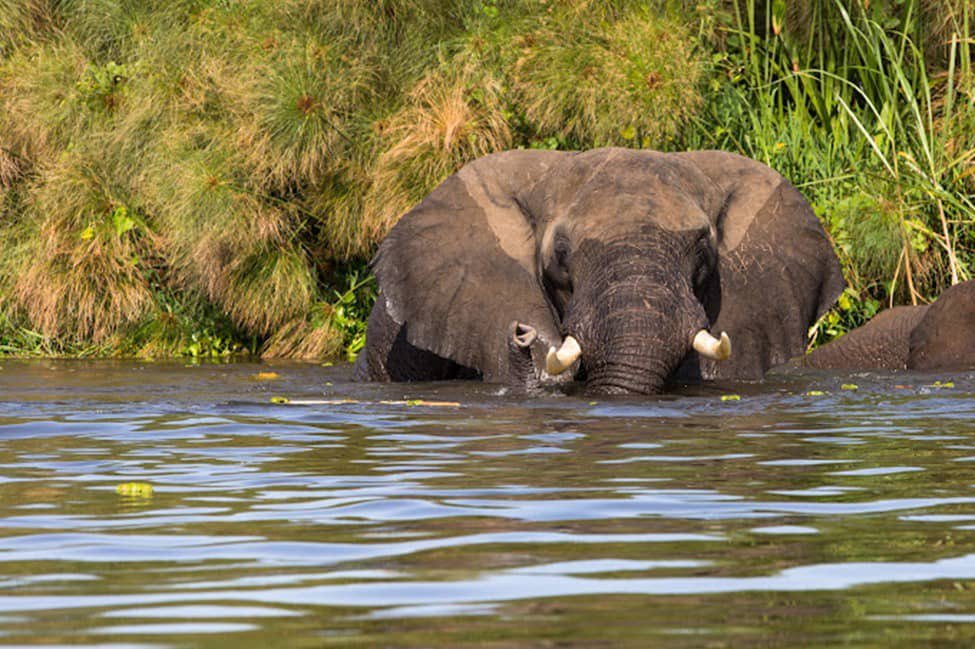
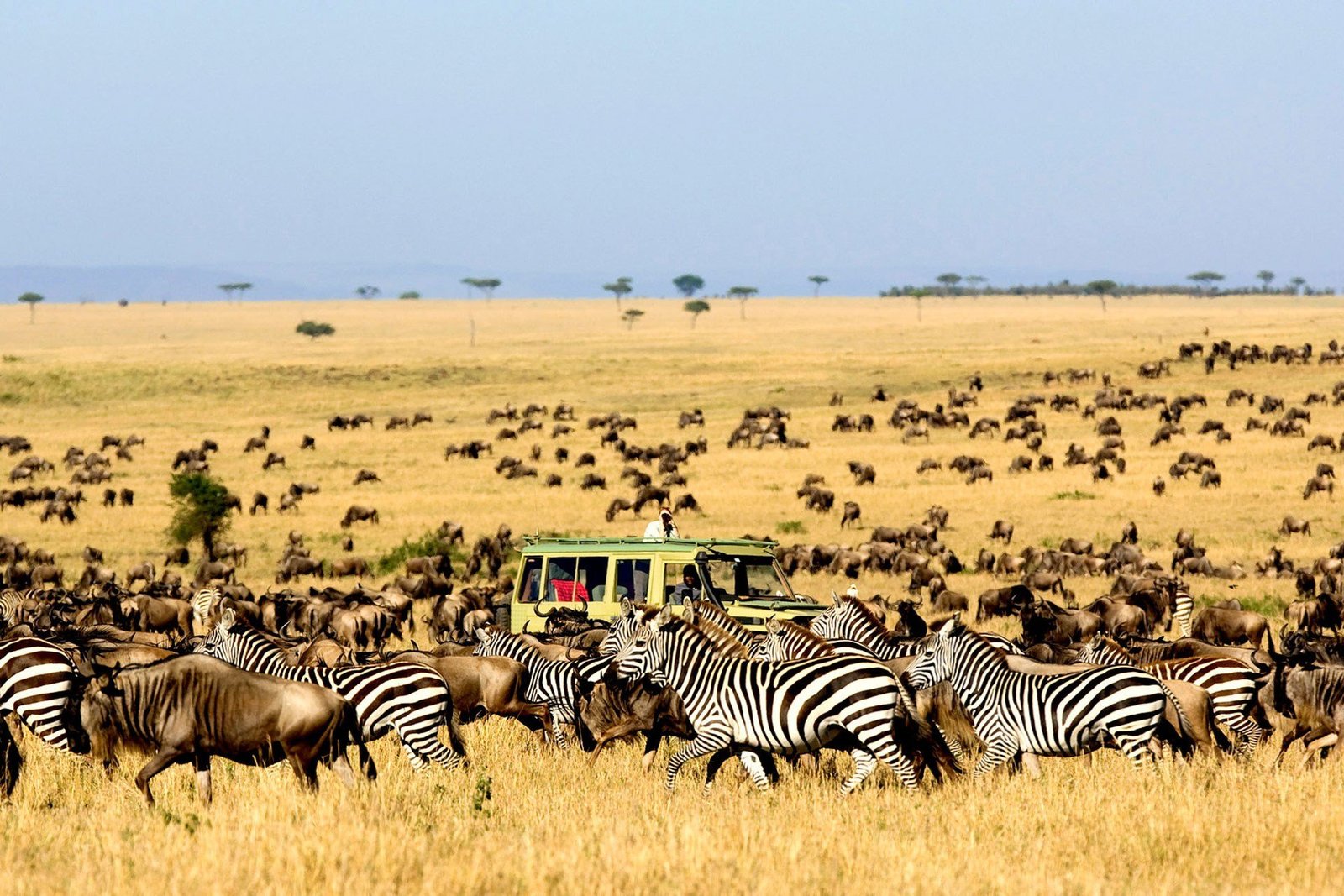
Uganda’s largest national park offers exceptional wildlife viewing while supporting important conservation initiatives.
Visitors can enjoy:
- Game drives
- Nile boat cruises
- Bird watching
- Hiking to the top of Murchison Falls
- Rhino tracking at nearby Ziwa Rhino Sanctuary
Responsible tour operators encourage visitors to respect wildlife viewing distances and support local conservation initiatives.
Eco-Tourism in Uganda at Kibale National Park
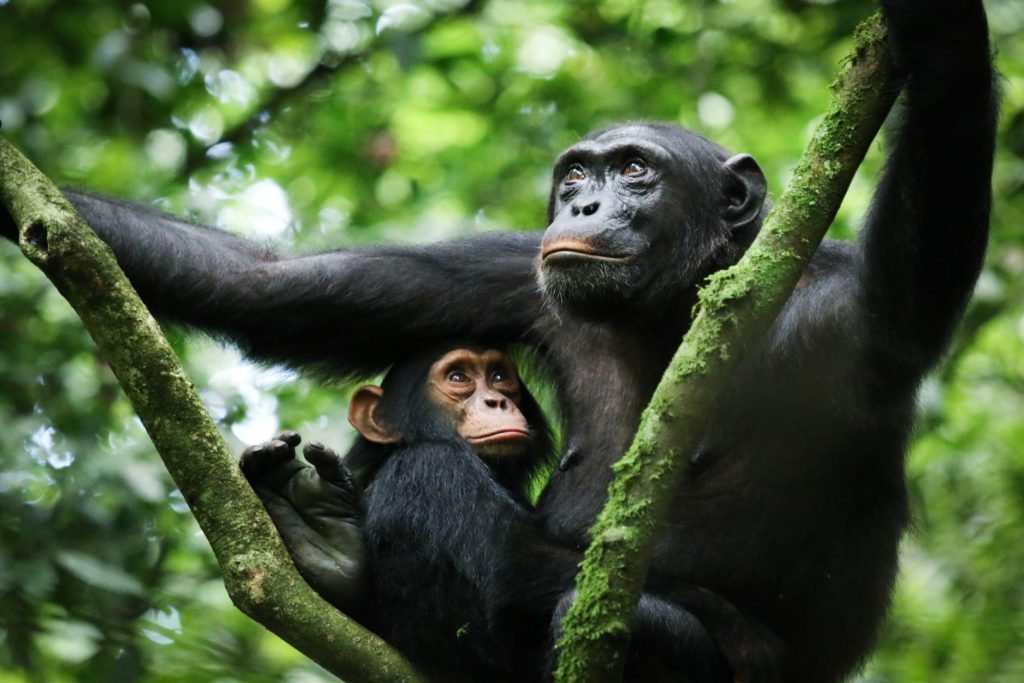
Known as the “Primate Capital of the World,” Kibale protects one of Africa’s richest rainforest ecosystems.
Popular activities include:
- Chimpanzee tracking
- Forest nature walks
- Bird watching
- Bigodi Wetland Sanctuary visits
Community-managed attractions like Bigodi Wetland Sanctuary generate income while protecting wetlands and supporting local education projects.
Queen Elizabeth National Park
Queen Elizabeth National Park combines spectacular wildlife with community-based tourism.
Highlights include:
- Game drives
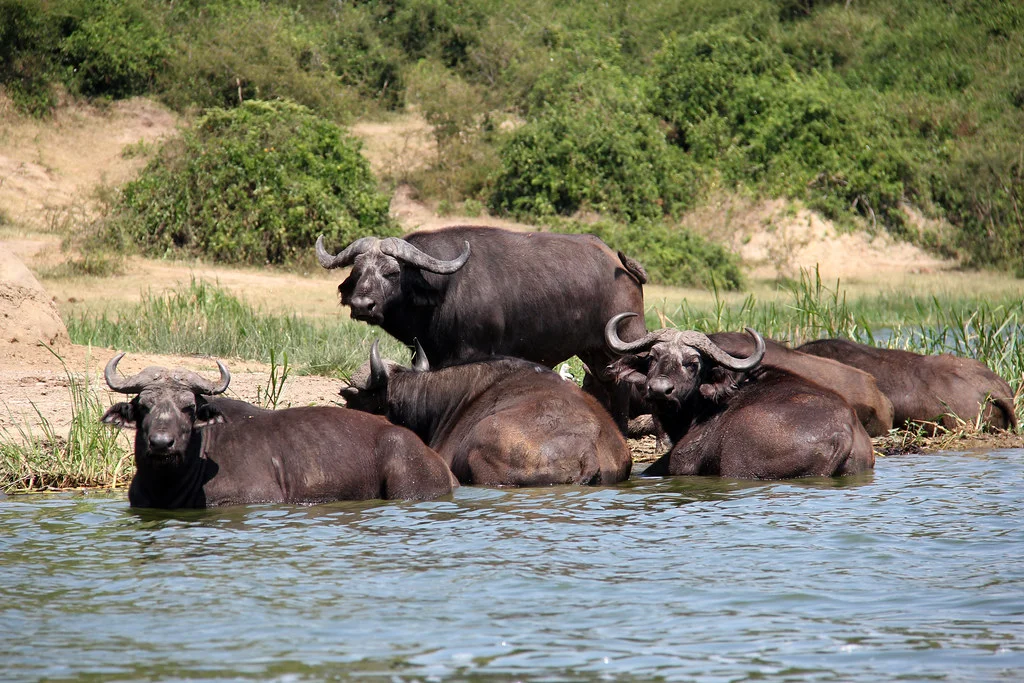
- Kazinga Channel boat safaris
- Lion tracking experiences
- Community cultural tours
- Nature walks
Several tourism initiatives help reduce conflicts between wildlife and nearby villages by creating alternative sources of income.
Mgahinga Gorilla National Park
Often quieter than Bwindi, Mgahinga offers:
- Gorilla trekking
- Golden monkey tracking
- Volcano hiking
- Batwa cultural experiences
This park demonstrates how conservation and indigenous cultural preservation can work together.
Responsible Eco-Lodges and Sustainable Travel
Many accommodation providers actively support eco-tourism in Uganda through sustainable practices.
Responsible eco-lodges often:
- Employ local residents
- Purchase locally grown food
- Minimize plastic waste
- Harvest rainwater
- Use solar energy
- Recycle waste responsibly
- Support nearby schools and conservation initiatives
When choosing accommodation, consider properties that clearly demonstrate environmental and community commitments.
How to Be an Eco-Friendly Traveler in Uganda
Responsible travel doesn’t require major sacrifices—small choices can have a lasting positive impact.
Reduce Plastic Waste
Carry:
- A reusable water bottle
- Reusable shopping bag
- Refillable toiletries
- Reusable coffee cup where possible
Reducing single-use plastics helps keep Uganda’s parks and communities clean.
Respect Wildlife
Never:
- Feed wild animals
- Touch wildlife
- Make loud noises near animals
- Leave marked trails
- Attempt to get too close for photographs
Following park regulations protects both visitors and wildlife.
Respect Local Culture
Uganda’s communities are incredibly welcoming.
Travelers should:
- Ask permission before photographing people
- Dress respectfully in villages
- Learn a few local greetings
- Respect cultural traditions
- Purchase locally made crafts
Meaningful cultural interactions enrich the travel experience while supporting local livelihoods.
Support Local Businesses
Choose to:
- Hire local guides
- Employ community porters
- Buy handmade crafts
- Eat locally sourced food
- Participate in community experiences
Your spending directly benefits families living alongside Uganda’s protected areas.
Travel with Responsible Tour Operators
Responsible safari companies:
- Follow park regulations
- Employ qualified guides
- Educate travelers
- Prioritize conservation
- Work with local communities
Choosing ethical operators ensures your adventure contributes positively to conservation.
Success Stories of Eco-Tourism Impact
The success of eco-tourism in Uganda can be seen across the country.
Protecting Mountain Gorillas
Decades of conservation funded partly through tourism have helped mountain gorilla populations recover. Carefully managed gorilla trekking provides essential funding for monitoring, veterinary care, and habitat protection while giving communities a financial reason to protect the forests these endangered primates call home.
Community Conservation
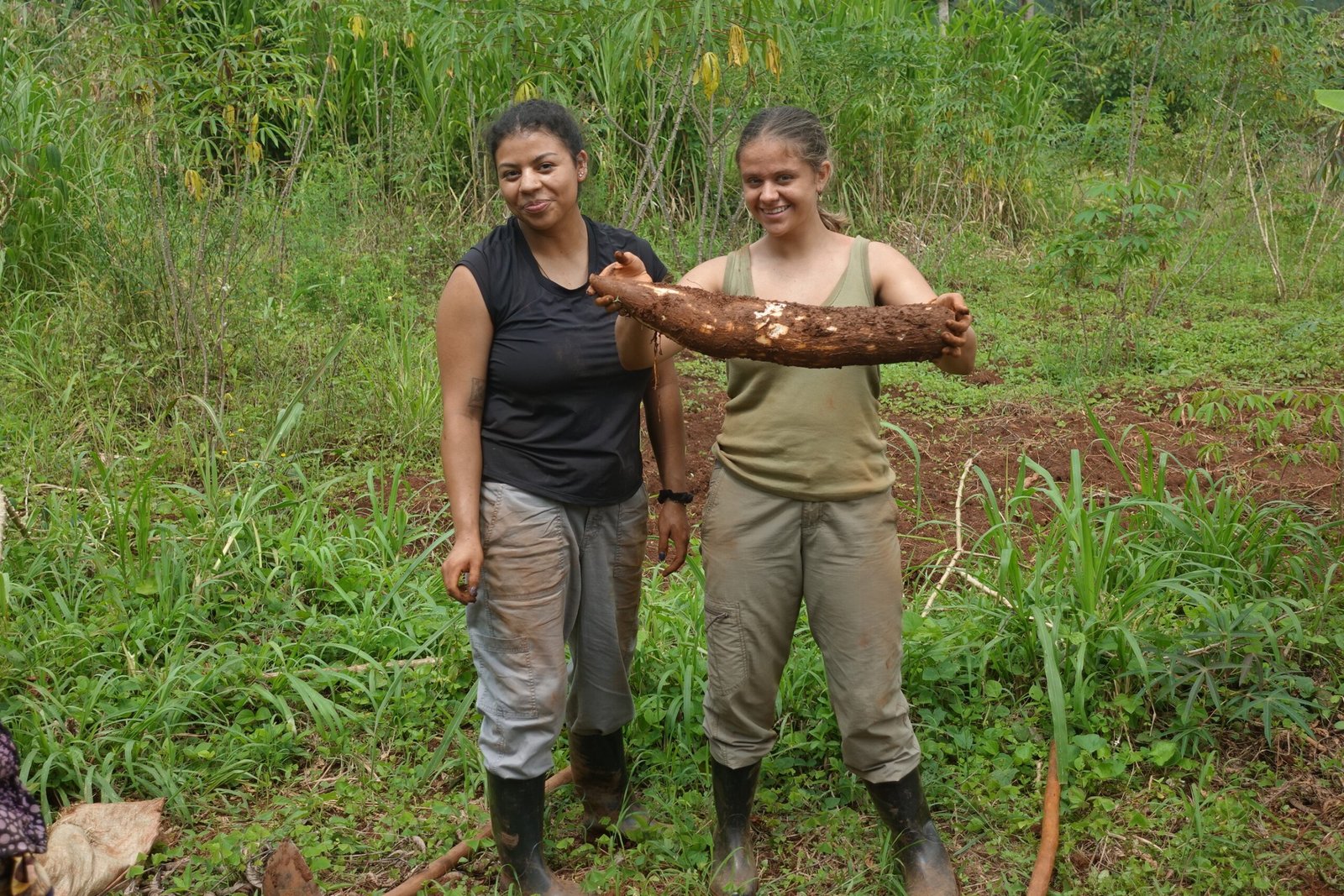
Around many national parks, tourism has created employment opportunities that reduce dependence on activities such as illegal logging or poaching. Community tourism initiatives—including cultural performances, craft markets, guided village walks, and locally owned accommodations—allow visitors to experience authentic Ugandan culture while generating income for residents.
Restoring Wetlands
Projects like the Bigodi Wetland Sanctuary show how conservation and tourism can work together. Income from guided nature walks supports wetland protection, environmental education, and community development while preserving habitat for birds, primates, and other wildlife.
Every Traveler Makes a Difference
Every park entrance fee, gorilla permit, guided walk, locally purchased meal, or handcrafted souvenir contributes to Uganda’s conservation story.
When thousands of visitors make responsible choices each year, the combined impact is significant—protecting ecosystems, supporting families, and ensuring future generations can enjoy Uganda’s extraordinary natural heritage.
Conclusion
Eco-tourism in Uganda demonstrates that travel can be a powerful force for conservation. Every responsible choice you make—from selecting an ethical tour operator to staying at eco-conscious lodges and supporting local businesses—helps protect wildlife and improve the lives of the people who share these landscapes.
Whether you’re trekking mountain gorillas in Bwindi, tracking chimpanzees in Kibale, cruising the Nile through Murchison Falls, or learning from local communities, your adventure becomes part of a much bigger story: one of conservation, sustainability, and hope.
At Jerodi Africa Safari, we believe the best journeys leave a positive legacy. By embracing eco-tourism in Uganda, you won’t just experience one of Africa’s most spectacular destinations—you’ll also help preserve it for generations to come.
If you’re ready to explore Uganda responsibly, we’d be delighted to help you plan an unforgettable safari that supports both nature and local communities every step of the way. More still?