When planning a primate safari, one of the biggest decisions travelers face is gorilla tracking vs chimpanzee tracking. Both experiences offer unforgettable encounters with our closest living relatives, yet they are remarkably different in terms of wildlife behavior, trekking conditions, cost, and overall experience.
Uganda is one of the few countries in the world where visitors can enjoy both mountain gorilla tracking and chimpanzee tracking during the same trip. Home to nearly half of the world’s remaining mountain gorillas and one of Africa’s largest chimpanzee populations, Uganda has become a premier destination for primate enthusiasts.
If you’re wondering whether gorilla tracking vs chimpanzee tracking is the better choice for your safari, this guide compares the two experiences, highlights their unique features, and helps you decide which adventure best matches your interests, budget, and travel style.
Understanding Gorilla Tracking
What Makes Gorilla Tracking Special?
For many travelers, gorilla tracking is the highlight of any Ugandan safari.
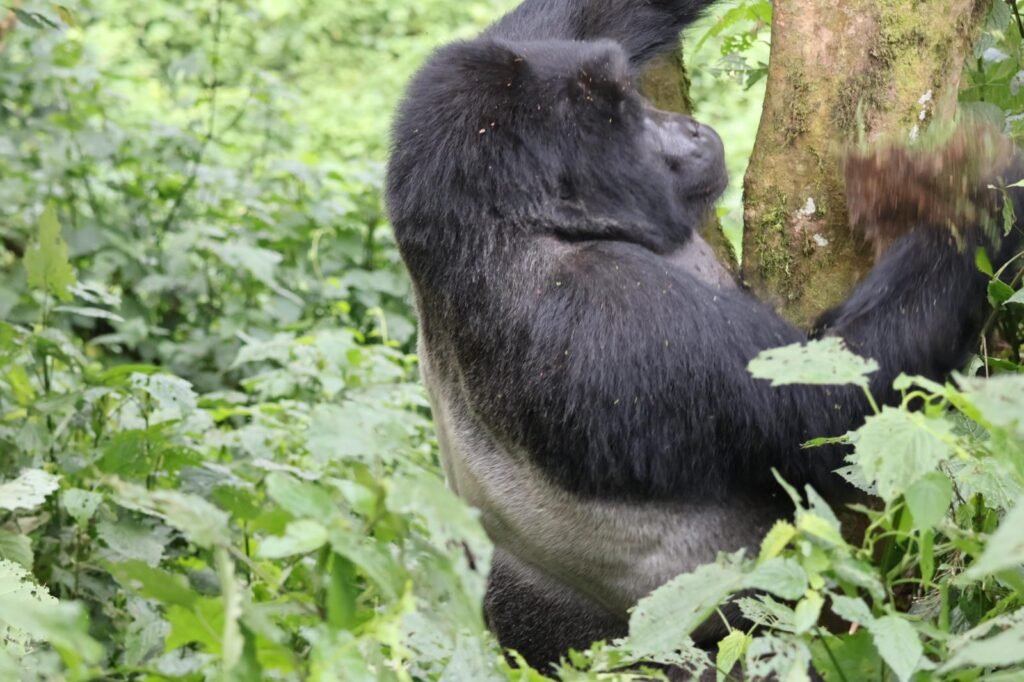
Unlike chimpanzees, mountain gorillas live in closely bonded family groups.. Unlike many wild animals, gorillas are generally calm and tolerant of carefully managed human visits, allowing guests to spend one unforgettable hour observing them in their natural habitat.
Uganda offers gorilla tracking in:
- Bwindi Impenetrable National Park
- Mgahinga Gorilla National Park
Furthermore, the experience is carefully regulated to protect these endangered primates. while allowing visitors an intimate wildlife encounter.
Conservation and Gorilla Protection
One of the most rewarding aspects of gorilla tracking is knowing your permit contributes directly to conservation.
As a result, permit fees help fund conservation efforts across Uganda:
- Gorilla monitoring
- Veterinary care
- Anti-poaching patrols
- Ranger salaries
- Habitat protection
- Community development projects
As a result, tourism has played a significant role in increasing mountain gorilla populations over the past few decades.
What to Expect During Gorilla Tracking
Although every gorilla trek is different, each offers a memorable wildlife encounter.
Your day usually begins with a ranger briefing before entering the forest with experienced guides and trackers. Depending on the location of your assigned gorilla family, hikes may last anywhere from one to six hours.
Expect:
- Dense rainforest
- Steep hills
- Muddy trails
- Moderate to challenging hiking
- One magical hour with a gorilla family
Many visitors describe the first sight of a silverback gorilla as one of the most emotional wildlife moments of their lives.
Understanding Chimpanzee Tracking
What Makes Chimpanzee Tracking Unique?
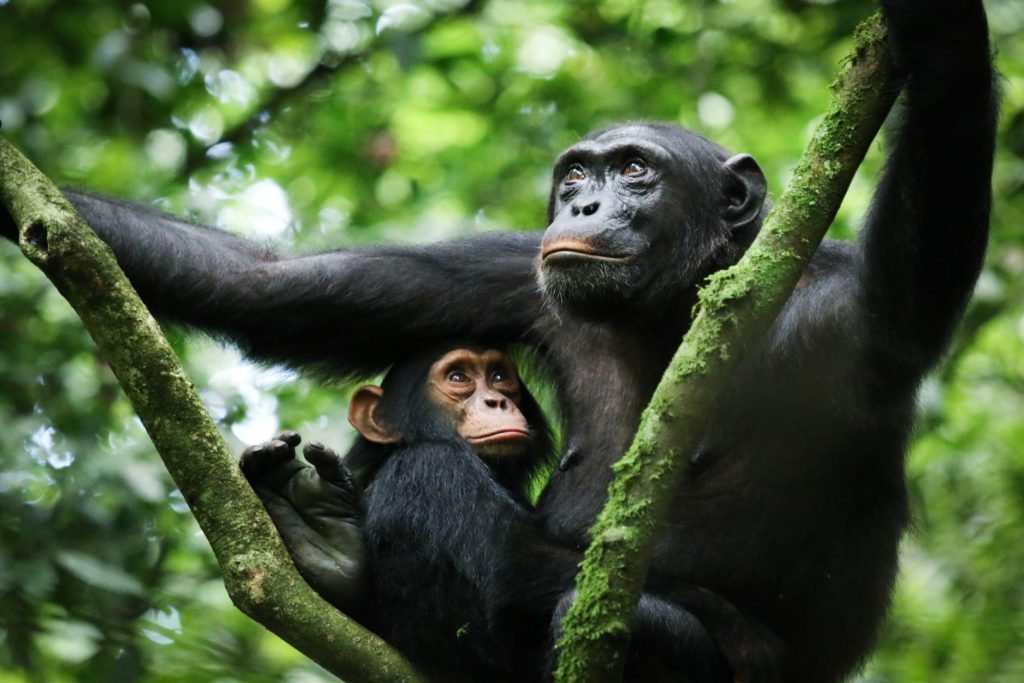
When comparing gorilla tracking vs chimpanzee tracking, chimpanzees provide a much more energetic experience.
In contrast, chimpanzees are highly social, vocal, and constantly moving, vocal, and constantly moving through the forest canopy. Unlike gorillas, they rarely remain in one place for long.
Uganda’s best chimpanzee tracking locations include:
- Kibale National Park
- Kyambura Gorge
- Budongo Forest
- Kalinzu Forest
Each forest offers slightly different habitats and chimpanzee communities.
Chimpanzee Behavior in the Wild
Chimpanzees share approximately 98% of human DNA, making their behavior fascinating to observe.
For example, visitors often witness grooming rituals, playful behavior, and feeding.
Because chimpanzees are extremely active, sightings often feel exciting and unpredictable.
What to Expect During Chimpanzee Tracking
Typically, chimpanzee tracking starts early in the morning.
After a briefing, guides lead visitors through the forest while listening for calls made by chimpanzee groups.
Meanwhile, compared with gorilla tracking, visitors can expect shorter hikes, faster walking pace, frequent movement, more vocal wildlife and excellent birdwatching opportunities.
Although sightings may require looking into the forest canopy, the lively atmosphere creates an unforgettable experience.
Gorilla Tracking vs Chimpanzee Tracking: Comparative Aspects
Choosing between gorilla tracking vs chimpanzee tracking depends on what type of wildlife encounter you hope to experience. Ultimately, choosing between both depends on your interests and travel style.
| Feature | Gorilla Tracking | Chimpanzee Tracking |
|---|---|---|
| Wildlife Behavior | Calm and relaxed | Active and energetic |
| Duration with Animals | One hour | About one hour |
| Hiking Difficulty | Moderate to challenging | Easy to moderate |
| Terrain | Dense rainforest and steep hills | Forest trails with less elevation |
| Photography | Easier because gorillas stay relatively still | More challenging because chimpanzees move frequently |
| Emotional Experience | Quiet and intimate | Exciting and dynamic |
| Best For | Bucket-list wildlife encounters | Wildlife behavior enthusiasts |
Cost Comparison and Permit Availability
Another important factor in gorilla tracking vs chimpanzee tracking is cost.
However, gorilla tracking has higher permit prices than chimpanzee tracking:
- Limited daily permits
- Advance booking strongly recommended
- Premium wildlife experience
On the other hand, chimpanzee tracking is generally more affordable:
- More permit availability
- Easier to book on shorter notice
- Excellent value for travelers
If your budget allows, many visitors choose to experience both activities during one safari.
Making the Right Choice for Your Adventure
Choose Gorilla Tracking If You:
- Dream of seeing mountain gorillas
- Want a once-in-a-lifetime wildlife experience
- Enjoy photography
- Appreciate slower, intimate wildlife encounters
- Are comfortable with longer hikes
Choose Chimpanzee Tracking If You:
- Enjoy observing animal behavior
- Prefer shorter hikes
- Have a smaller budget
- Love birdwatching
- Enjoy fast-paced wildlife encounters
Why Many Travelers Choose Both
Many visitors discover that gorilla tracking vs chimpanzee tracking is not really a competition.
The two experiences complement each other beautifully.
While gorillas impress visitors with their calm presence and remarkable family bonds, chimpanzees captivate travelers with their intelligence, energy, and playful personalities.
Experiencing both provides a deeper understanding of Africa’s incredible primates.
Tips for Planning Your Safari
To make the most of your adventure:
- Book gorilla permits several months in advance, especially during peak season.
- Wear waterproof hiking boots.
- Pack lightweight rain gear.
- Bring binoculars for chimpanzee tracking.
- Carry plenty of drinking water.
- Hire a porter during gorilla tracking to support local communities and make the hike easier.
- Travel with a reputable local tour operator familiar with Uganda’s national parks and permit system.
Proper planning ensures a smooth and rewarding safari experience.
Conclusion
When deciding between gorilla tracking vs chimpanzee tracking, there is no wrong choice—only different experiences.
Gorilla tracking offers a deeply moving encounter with gentle giants in the heart of ancient rainforests. Chimpanzee tracking, on the other hand, delivers an energetic and fascinating glimpse into the lives of our lively primate cousins.
If time and budget permit, combining both adventures creates one of Africa’s most rewarding wildlife safaris. You’ll experience two very different primate species, explore some of Uganda’s most beautiful forests, and contribute directly to conservation efforts that protect endangered wildlife and support local communities.
At Jerodi Africa Safari, we specialize in customized primate safaris that combine gorilla tracking, chimpanzee tracking, wildlife game drives, birdwatching, and cultural experiences. Whether you choose one adventure or both, our experienced local guides will help you discover why Uganda is known as the Pearl of Africa.
Start planning your unforgettable primate safari today and experience firsthand why the debate over gorilla tracking vs chimpanzee tracking often ends with travelers recommending both. Need more!