Looking for the best wildlife photography tips Uganda offers? Whether you’re photographing mountain gorillas in Bwindi, elephants in Queen Elizabeth National Park, or giraffes in Murchison Falls, knowing the right photography techniques can transform your safari memories into breathtaking images. In this guide, Jerodi Africa Safari shares practical wildlife photography tips Uganda visitors can use to capture professional-looking wildlife photos, even if you’re new to safari photography.
Wildlife Photography Tips Uganda: Understanding the Essentials
Capturing extraordinary wildlife photographs in Uganda starts long before you press the shutter button. While incredible wildlife encounters certainly help, understanding the basics of wildlife photography will significantly improve your chances of bringing home images you’ll be proud to share.
Master Your Camera Settings
One of the biggest mistakes first-time safari photographers make is relying entirely on automatic mode. Wildlife scenes change rapidly—from bright open savannahs to the shaded forests of Bwindi—so learning a few essential camera settings can make a dramatic difference.
ISO controls your camera’s sensitivity to light. During early morning game drives or gorilla trekking beneath dense forest canopies, increasing your ISO allows you to maintain faster shutter speeds without underexposing your photos. Modern cameras handle higher ISO settings surprisingly well, making them ideal for challenging lighting conditions.
Aperture determines how much of your image remains in focus. A wide aperture (such as f/4 or f/5.6) beautifully blurs busy backgrounds, helping subjects like lions, elephants, or colorful birds stand out. For larger groups of animals or landscape scenes, narrowing the aperture provides greater depth of field.
Shutter speed is especially critical for wildlife photography. Fast-moving animals like cheetahs, birds in flight, or chimpanzees swinging through trees require shutter speeds of at least 1/1000 second to freeze the action. Slower-moving animals may allow lower shutter speeds, but it’s generally safer to keep them high whenever possible.
Invest in a Good Telephoto Lens
Wild animals should always be photographed from a respectful distance. This not only protects their natural behavior but also ensures your safety.
A telephoto lens, ideally between 200mm and 600mm, allows you to capture detailed close-up images without disturbing wildlife. Even during gorilla trekking, where visitors approach mountain gorillas under strict regulations, a moderate telephoto lens helps isolate expressions, hands, and interactions while maintaining appropriate distance.
If you’re using a bridge camera or mirrorless system, choose equipment with sufficient optical zoom rather than relying on digital zoom, which often reduces image quality.
Focus on Strong Composition
Technical settings are important, but composition transforms an ordinary wildlife photo into a memorable one.
Some simple composition techniques include:
- Position your subject using the Rule of Thirds instead of placing it directly in the center.
- Leave space in front of moving animals so they appear to have somewhere to travel.
- Capture eye-level perspectives whenever possible to create emotional connections.
- Include natural surroundings to tell the story of the animal’s habitat.
- Use trees, branches, rivers, or rock formations to naturally frame your subject.
Instead of photographing only a lion’s face, for example, consider including the surrounding savannah, dramatic skies, or nearby family members to create a richer story.
Remember that wildlife photography isn’t simply about documenting animals—it’s about capturing behavior, emotion, and the unique environment they call home.
Wildlife Photography Tips Uganda: Best Times and Locations
Uganda offers exceptional wildlife photography opportunities throughout the year, but choosing the right season, location, and time of day can greatly improve your results.
Photograph During the Golden Hours
Professional wildlife photographers often schedule their game drives around sunrise and sunset—and for good reason.
The golden hours, shortly after sunrise and before sunset, provide soft, warm light that creates beautiful colors, gentle shadows, and catchlights in animals’ eyes. Wildlife is also generally more active during these cooler parts of the day.
Midday sunlight tends to be harsh, producing strong shadows and washed-out colors. During these hours, many animals seek shade, making photography more challenging.
Consider Uganda’s Dry Seasons
Although Uganda can be visited year-round, the dry seasons generally offer the best wildlife photography conditions:
- June to August
- December to February
These months feature less vegetation, making wildlife easier to spot, while roads remain more accessible for game drives. Animals also gather around water sources, increasing your chances of photographing multiple species.
The rainy seasons, however, bring lush green landscapes, dramatic skies, and fewer tourists. Bird photographers especially appreciate these months because migratory species arrive, and breeding plumage becomes more vibrant.
Uganda’s Top Photography Destinations
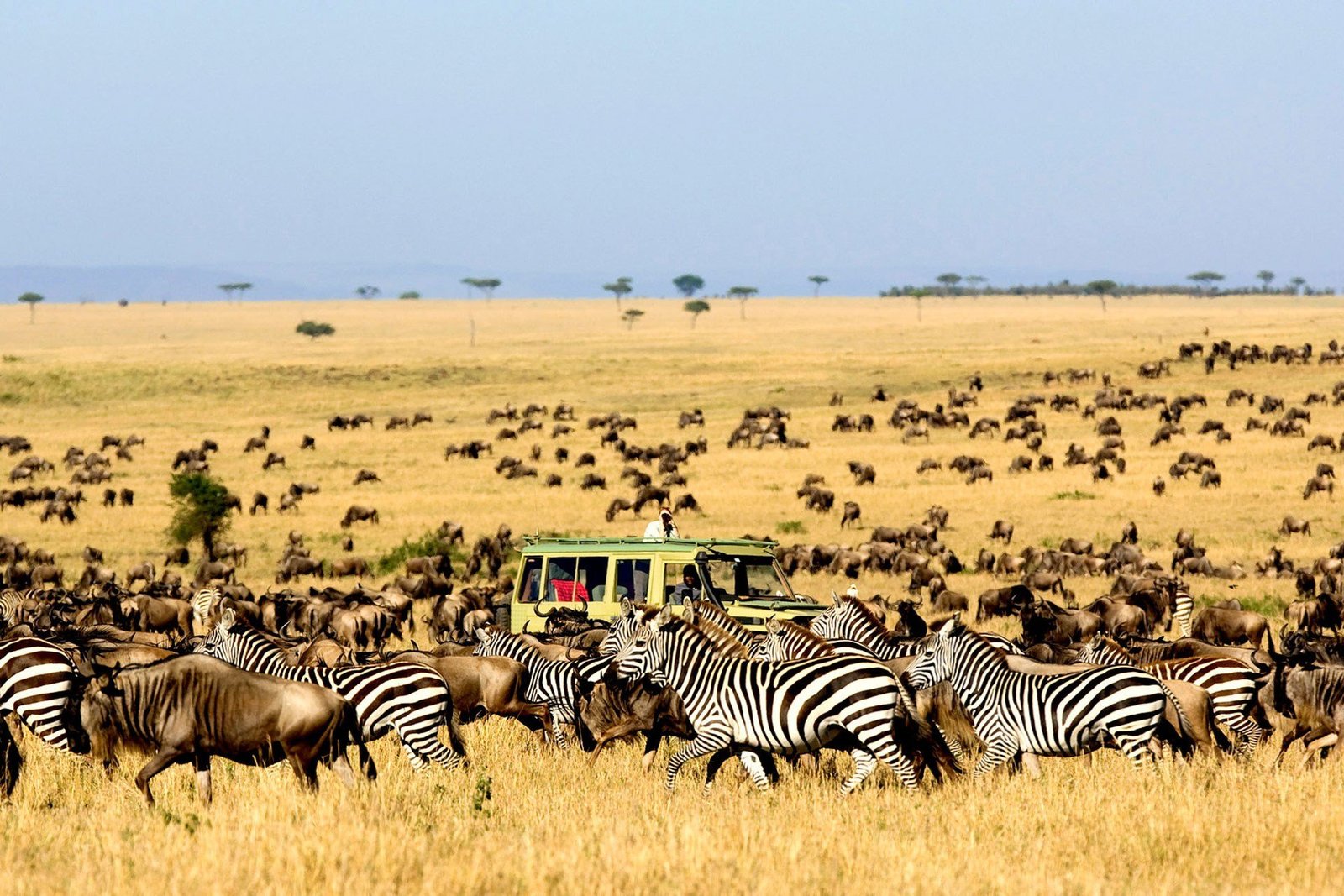
Uganda is home to diverse ecosystems that provide endless photographic opportunities.
Bwindi Impenetrable National Park
Famous for mountain gorilla trekking, Bwindi allows photographers to capture one of the world’s rarest primates in its natural rainforest habitat. Besides gorillas, the forest also offers opportunities to photograph colorful birds, butterflies, monkeys, and dramatic mist-covered landscapes.
Murchison Falls National Park
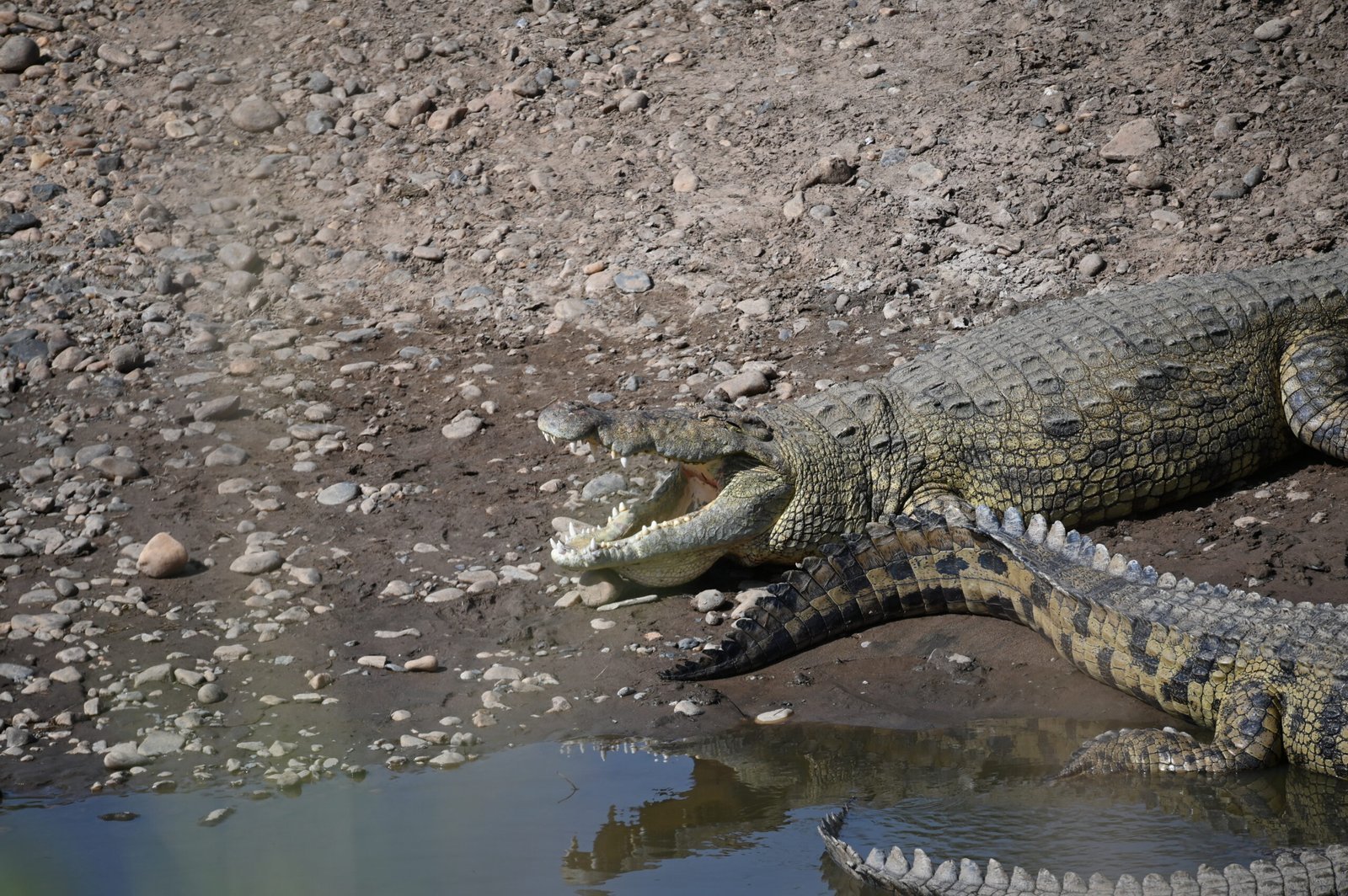
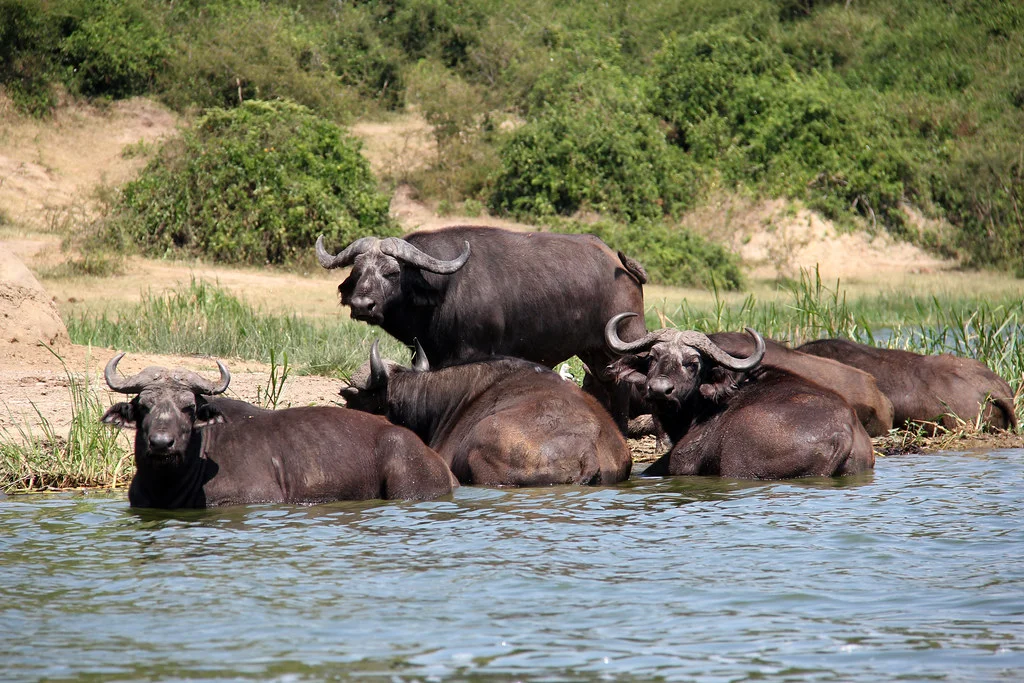
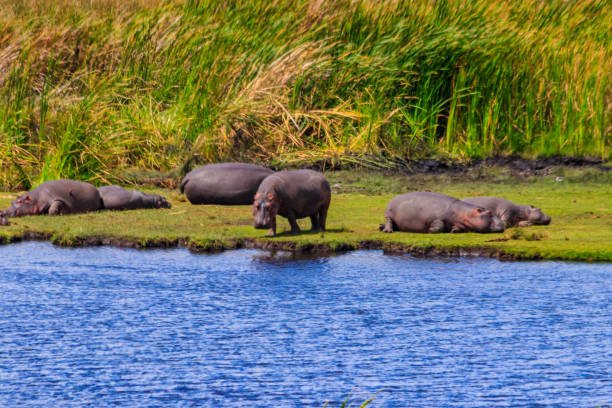
Uganda’s largest national park combines classic African wildlife with breathtaking scenery. Expect elephants, giraffes, buffaloes, lions, hippos, crocodiles, and spectacular birdlife. The powerful Murchison Falls itself provides incredible landscape photography opportunities, especially during sunrise and sunset.
Queen Elizabeth National Park
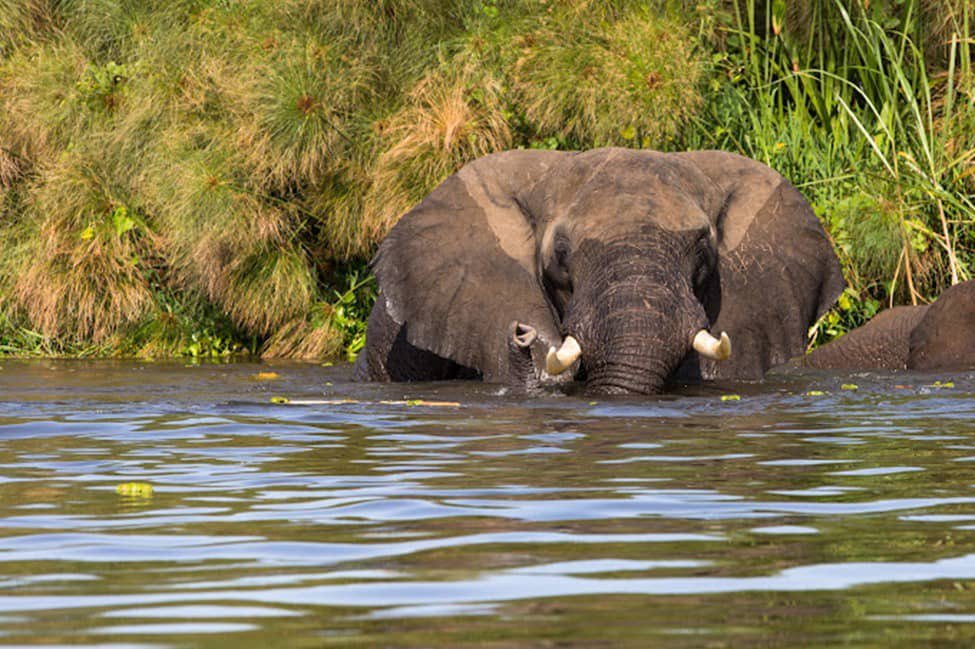
Known for its incredible biodiversity, Queen Elizabeth National Park offers photographers the chance to capture tree-climbing lions in Ishasha, massive elephant herds, leopards, and wildlife along the Kazinga Channel, where boat safaris provide unique photographic angles.
Kibale Forest National Park
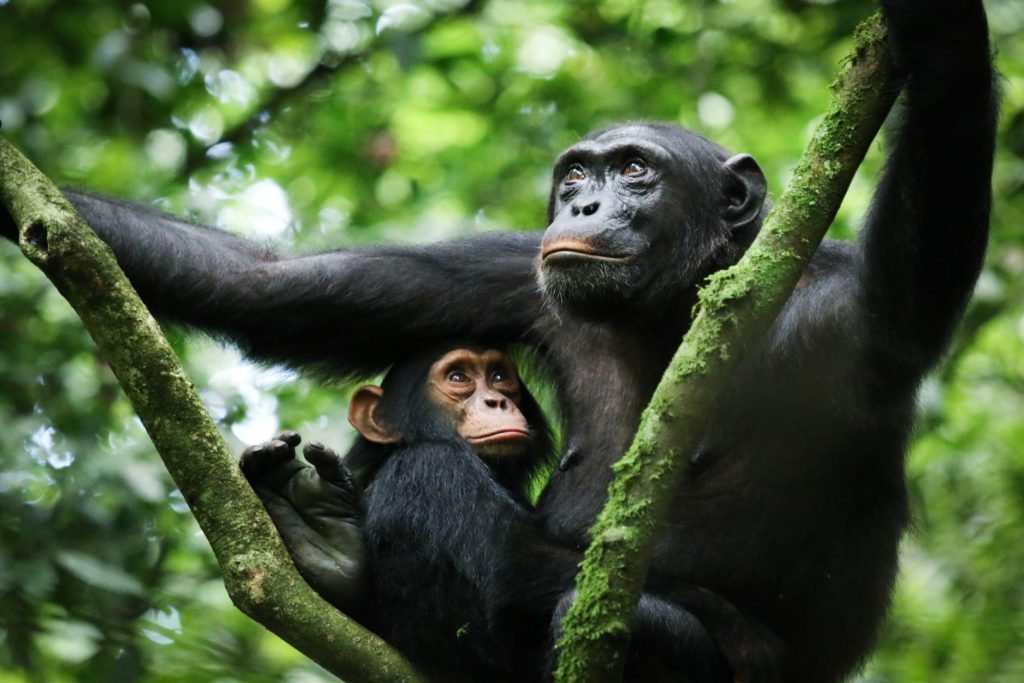
Home to chimpanzees and twelve other primate species, Kibale provides exciting opportunities for action photography as primates leap through the forest canopy.
Kidepo Valley National Park
Often described as Uganda’s most spectacular wilderness, Kidepo rewards adventurous photographers with dramatic mountain backdrops, open plains, and unique wildlife species found nowhere else in Uganda.
Scout Locations Before Your Safari
Preparation greatly improves photography success.
Before arriving:
- Research animal behavior and seasonal movements.
- Study park maps and previous wildlife sightings.
- Discuss your photography goals with your safari guide.
- Check sunrise and sunset times.
- Prepare equipment suited to each destination.
Experienced local guides often know where specific animals have recently been seen and can position the vehicle for the best lighting and photographic angles.
Understand Photography Rules and Permits
Photography for personal use is generally allowed throughout Uganda’s national parks.
However, if you’re filming commercially, producing documentaries, using drones, or photographing for commercial publications, additional permits from the Uganda Wildlife Authority (UWA) may be required.
Always respect park regulations, maintain safe distances, avoid disturbing wildlife, and never use flash photography around sensitive species such as mountain gorillas.
Wildlife Photography Tips Uganda: Techniques for Stunning Images
Even with excellent equipment, exceptional wildlife photography depends on technique, timing, and observation.
Practice Patience and Stay Still
Wildlife rarely performs on command.
The best photographs often come after quietly waiting while animals become comfortable with your presence. Sudden movements, loud conversations, or unnecessary repositioning may cause animals to retreat or stop natural behaviors.
Sometimes waiting an extra fifteen minutes can reward you with dramatic interactions such as grooming, hunting, yawning, or playful behavior that transforms an ordinary image into an unforgettable one.
Learn to Anticipate Animal Behavior
Rather than reacting after something happens, try predicting animal movements.
Watch for signs such as:
- Birds preparing for takeoff.
- Lions focusing on nearby prey.
- Elephants raising their trunks before trumpeting.
- Gorillas interacting within family groups.
- Chimpanzees preparing to climb.
Anticipation allows you to focus, compose, and capture the decisive moment.
Master Action Photography
Wildlife action often lasts only a fraction of a second.
To improve action shots:
- Use continuous autofocus (AI Servo or AF-C).
- Select burst shooting mode.
- Keep shutter speeds above 1/1000 second.
- Follow moving animals smoothly before pressing the shutter.
Try Panning for Creative Motion
Panning creates a sense of speed by following a moving subject while using a slightly slower shutter speed.
Instead of freezing every movement, the animal remains relatively sharp while the background becomes artistically blurred, creating exciting images of running antelope, birds in flight, or speeding safari vehicles.
Although panning requires practice, it produces dynamic photographs that stand out from traditional wildlife images.
Make the Most of Natural Light
Natural light is every wildlife photographer’s greatest tool.
Rather than relying on artificial lighting, observe how sunlight changes throughout the day.
Soft morning light enhances texture and color, while evening light creates dramatic silhouettes and golden tones. Overcast skies also work surprisingly well by reducing harsh shadows, especially during forest photography.
Whenever possible:
- Position the sun behind you for evenly lit portraits.
- Experiment with side lighting for texture.
- Try backlighting for dramatic silhouettes.
- Capture reflections in rivers and lakes.
Every lighting condition presents a creative opportunity.
Wildlife Photography Tips Uganda: Editing Your Safari Photos
Photography doesn’t end once the safari is over. Thoughtful post-processing helps reveal the full potential of your images while preserving the authenticity of the wildlife encounter.
Start with Basic Adjustments
Programs such as Adobe Lightroom and Adobe Photoshop are popular choices for wildlife photographers because they provide powerful yet easy-to-use editing tools.
Begin with simple improvements:
- Correct exposure.
- Adjust white balance.
- Fine-tune contrast.
- Increase clarity slightly.
- Recover highlight and shadow detail.
- Crop distractions while maintaining strong composition.
Small adjustments often produce the most natural-looking results.
Enhance Without Overediting
Wildlife photography should represent real moments in nature.
Avoid excessive saturation, unrealistic skies, artificial animal colors, or heavy manipulation that changes the story of the scene.
Ethical editing preserves the integrity of conservation photography while still producing beautiful images.
Your goal should be to enhance what was genuinely there—not create something that never existed.
Reduce Noise Carefully
Photos taken during early morning gorilla trekking or evening game drives often require higher ISO settings.
Noise reduction software can help smooth grain while maintaining detail, but avoid applying too much, as it can make fur, feathers, and skin textures appear unnatural.
Sharpen Selectively
Rather than sharpening the entire image, focus on important details such as:
- Eyes
- Fur texture
- Feathers
- Horns
- Whiskers
Sharp eyes often make the biggest difference in wildlife portraits.
Develop an Organized Workflow
A successful safari may produce thousands of photographs.
Creating a consistent workflow saves time and protects your memories.
Consider organizing your images by:
- Destination
- Date
- Wildlife species
- Safari activity
- Favorite selections
Back up your files immediately using an external hard drive and cloud storage to avoid accidental loss.
Adding keywords and ratings also makes it easier to locate specific images months or even years later.
Conclusion:
Uganda is one of Africa’s finest destinations for wildlife photography, offering everything from intimate mountain gorilla encounters in Bwindi to dramatic savannah landscapes filled with elephants, lions, giraffes, and countless bird species. By mastering your camera settings, choosing the right locations and lighting, practicing patience in the field, and applying thoughtful post-processing techniques, you’ll return home with photographs that tell powerful stories of Uganda’s extraordinary wildlife.
At Jerodi Africa Safari, our experienced local guides understand not only where to find Uganda’s incredible wildlife but also how to position vehicles, plan game drives around the best light, and maximize photography opportunities while respecting conservation guidelines. Whether you’re an enthusiastic beginner or an experienced photographer, we’ll help you experience Uganda through a lens you’ll never forget. Useful link