Every year on August 12, people around the world come together to celebrate World Elephant Day, a day dedicated to appreciating elephants while raising awareness about the challenges threatening their survival.
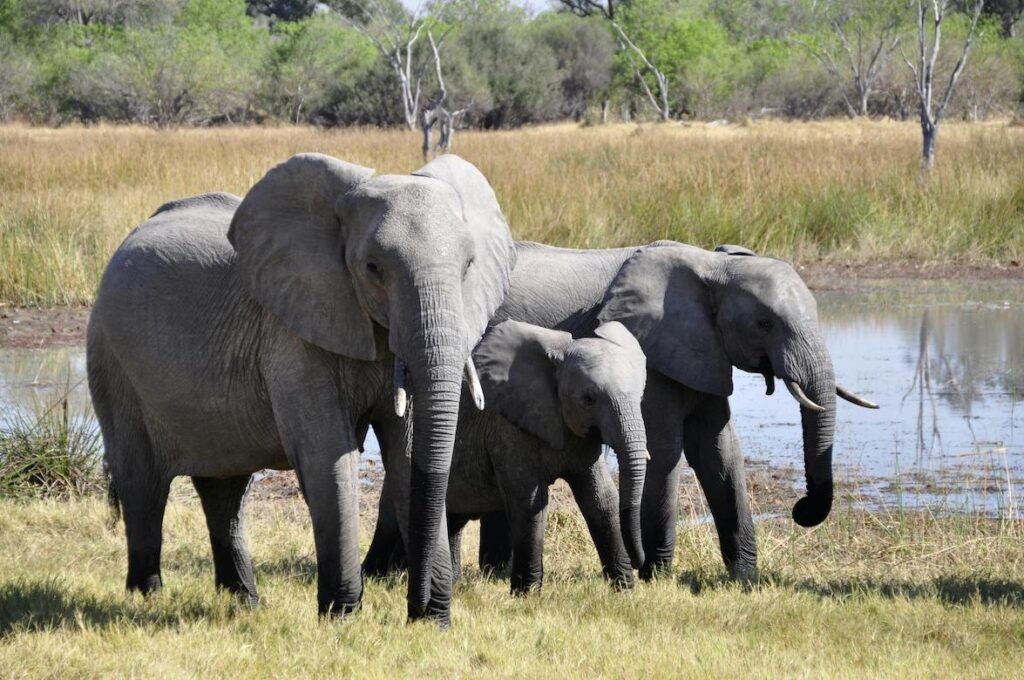
For us in Uganda, World Elephant Day has a particularly powerful meaning. Watching an African elephant quietly cross the savannah, protect its calf, or gather with its family at a waterhole reminds us that these extraordinary animals are more than a safari attraction. They are an essential part of Africa’s natural heritage and ecosystems.
At Jerodi Africa Safari, we believe that seeing elephants in their natural environment can change the way travelers think about wildlife conservation. Once you have watched an elephant family in the wild, protecting these magnificent animals becomes much more personal.
Why Do We Celebrate World Elephant Day?
World Elephant Day was established to draw global attention to the conservation of African and Asian elephants.
Despite their strength and intelligence, elephants face serious threats. These include habitat loss, human-wildlife conflict, illegal wildlife trade, climate pressures, and fragmentation of traditional migration routes.
The day therefore provides an opportunity not only to celebrate elephants but also to ask an important question: What can we do to ensure future generations can still encounter elephants roaming freely in the wild?
Why Elephants Matter on World Elephant Day
Elephants are often described as ecosystem engineers because their everyday activities influence entire landscapes.
As elephants move through forests and savannahs, they open pathways through vegetation, disperse seeds, create access to water and modify habitats that many other species depend upon.
Protecting elephants therefore benefits far more than elephants alone.
Their survival helps protect the wider ecosystems shared by antelopes, birds, primates, predators and countless smaller species.
World Elephant Day: Where to See Elephants in Uganda
Uganda offers several wonderful opportunities to observe African elephants living freely in their natural habitats.
Queen Elizabeth National Park
Queen Elizabeth National Park is one of Uganda’s most rewarding destinations for elephant encounters.
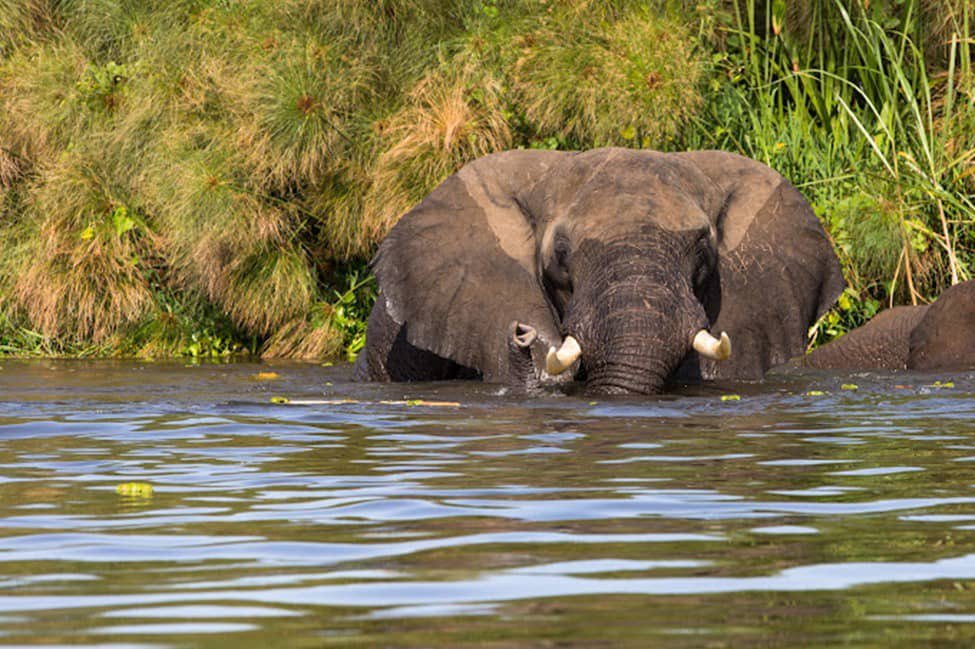
Visitors frequently encounter elephants during game drives across the Kasenyi plains and other areas of the park. A boat safari along the Kazinga Channel provides another memorable perspective, particularly when elephants approach the water to drink, cool themselves or feed along the shoreline.
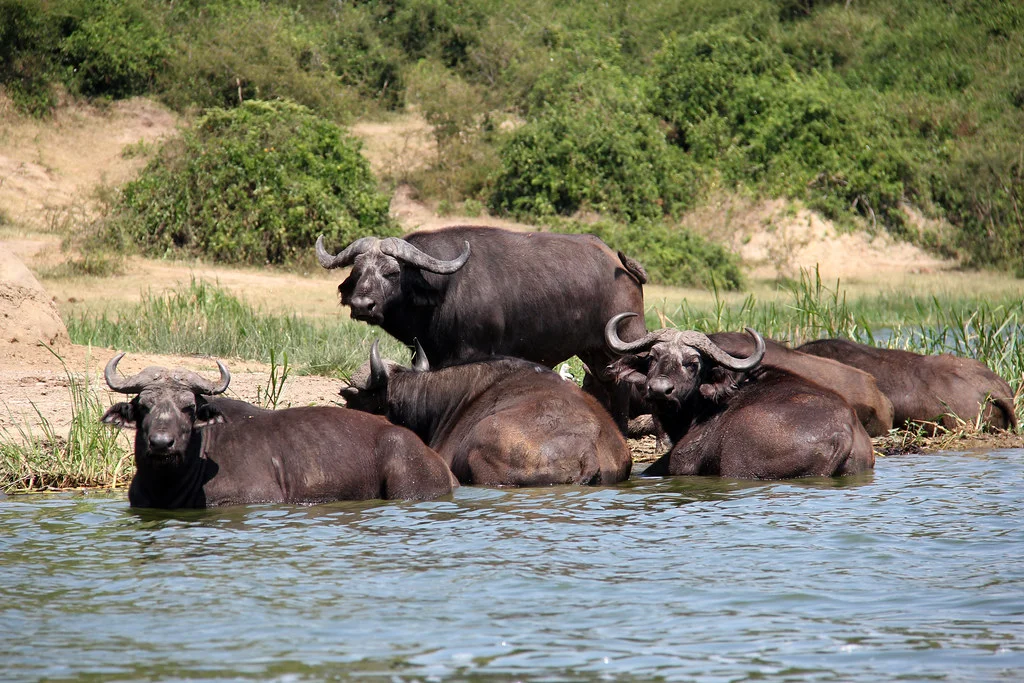
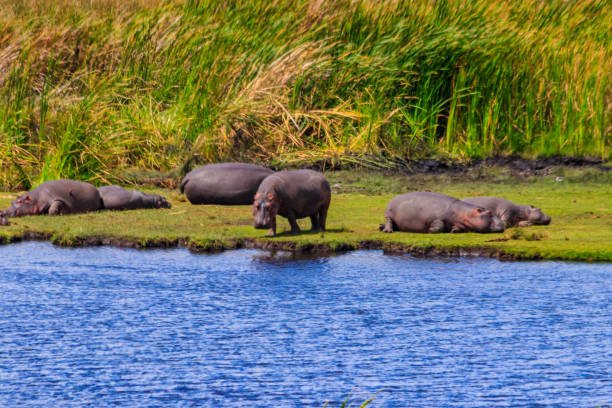
Seeing a herd from the water—with hippos, buffaloes and abundant birdlife nearby—is one of Uganda’s classic wildlife experiences.
Murchison Falls National Park
Uganda’s largest national park, Murchison Falls National Park, is another excellent place to search for elephants.
Game drives across the northern savannah can reveal herds moving through open grassland, while a boat journey along the Nile offers opportunities to see elephants feeding or drinking near the river.
The experience becomes even more impressive when elephants appear against Murchison’s vast landscapes.
Kidepo Valley National Park
Remote and dramatically beautiful, Kidepo Valley National Park offers a completely different elephant experience.
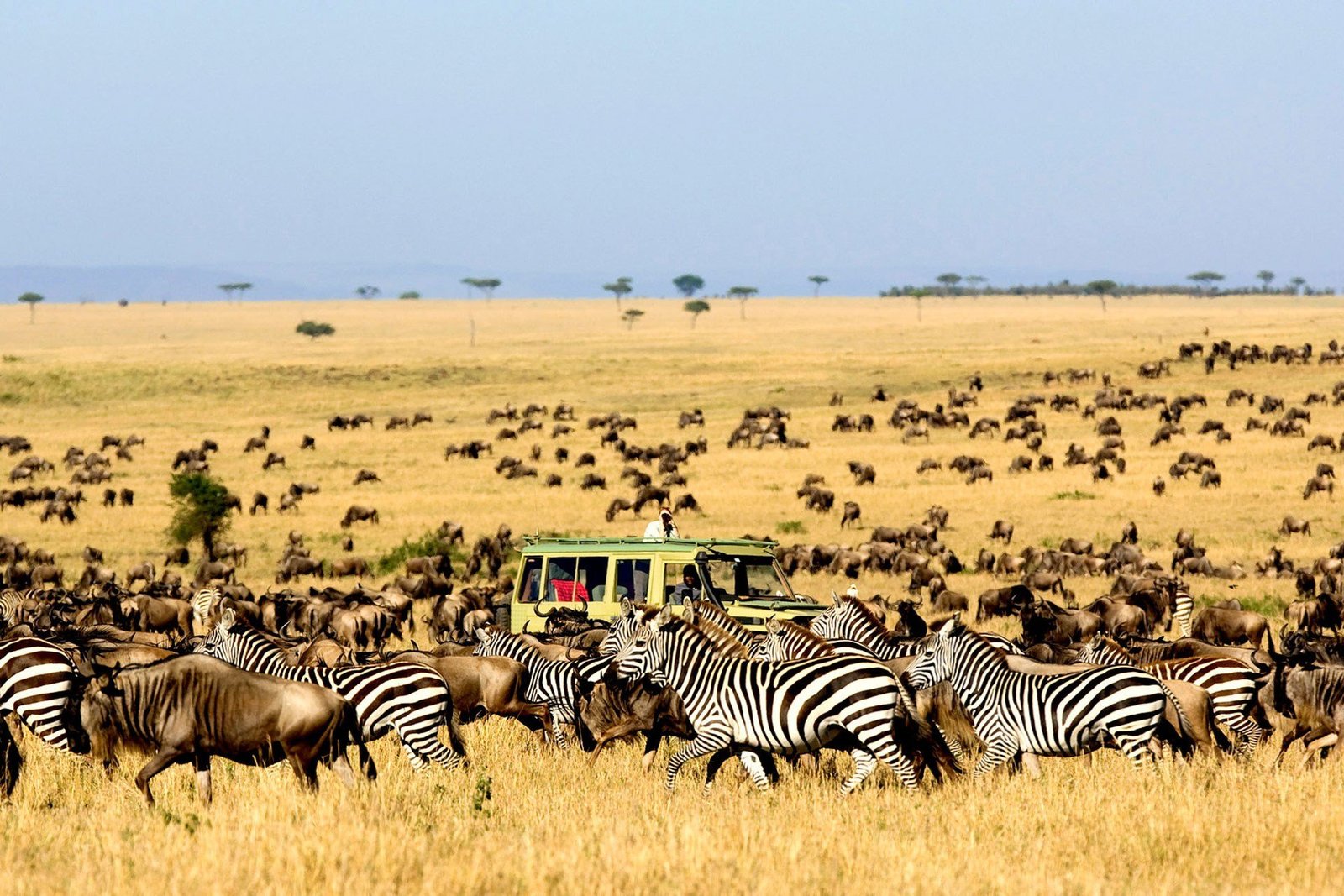
Its sweeping savannahs and rugged mountains create spectacular surroundings for wildlife viewing. Because of Kidepo’s relatively remote location, visiting can also provide travelers with a quieter safari experience away from Uganda’s more frequently traveled routes.
The Remarkable Social Lives of Elephants
One of the reasons elephants fascinate us is their complex social behavior.
Elephant families are generally organized around experienced females, with a matriarch playing an important role in guiding the herd. Family members communicate, cooperate in caring for calves and maintain strong social relationships.
They are also highly intelligent animals with remarkable memories.
Spend enough time quietly observing a herd and you begin noticing personalities rather than simply seeing “elephants.” One youngster may constantly explore its surroundings while another stays close to its mother. Adults may greet each other using their trunks, while calves remain protected in the middle of the family.
These small interactions can turn a wildlife sighting into an emotional experience.
The Challenges Facing Africa’s Elephants
Although conservation efforts have achieved important successes in some areas, elephants still face significant challenges across their range.
Habitat pressure is particularly important. As human populations and agricultural areas expand, wildlife habitats can become increasingly fragmented. Elephants may move beyond protected areas searching for food or water, sometimes bringing them into conflict with neighboring communities.
Poaching and illegal ivory trafficking have also caused devastating declines in elephant populations in parts of Africa.
Effective elephant conservation therefore requires more than protecting animals inside national parks. It also involves supporting communities living near wildlife areas, protecting migration corridors, strengthening conservation enforcement and encouraging responsible tourism.
How Responsible Tourism Can Help Protect Elephants
A safari can contribute to conservation when travelers make responsible choices.
Park entrance fees and wildlife activities help generate revenue associated with maintaining protected areas and conservation programs. Tourism also supports employment for guides, lodge staff, drivers, rangers, craftspeople and other people living around tourism destinations.
Travelers can contribute further by respecting wildlife viewing guidelines, avoiding products made from wildlife parts, supporting responsible local businesses and never pressuring guides to approach animals too closely.
A good elephant encounter shouldn’t require disturbing the elephant.
Sometimes the most rewarding approach is simply to switch off the vehicle, remain quiet and allow the herd to continue behaving naturally.
What Seeing an Elephant in the Wild Can Teach Us
Photographs can show us how enormous an elephant is. Documentaries can teach us about elephant behavior.
But standing quietly in an African national park while a herd walks across the landscape creates an entirely different understanding.
Branches break as they feed, while a mother positions herself protectively beside her calf. At the same time, you begin to notice how quietly such enormous animals can move.
For many travelers, moments like these become some of their strongest memories of Africa.
And that emotional connection matters.
Because conservation becomes much easier to understand when the animal we are trying to protect is no longer simply something we have read about.
Celebrating World Elephant Day in Uganda
This World Elephant Day, we celebrate every elephant roaming through Uganda’s national parks and every ranger, conservationist, researcher and community member helping to protect them.
We also celebrate travelers who choose to experience wildlife responsibly.
Uganda’s elephants belong in wild landscapes—crossing savannahs, walking through forests, raising their calves and following routes passed down through generations.
Our responsibility is to help ensure those landscapes remain available to them.
Travel, Experience and Protect
At Jerodi Africa Safari, we encourage travelers to go beyond simply photographing wildlife. Take time to observe it, understand it and appreciate why its protection matters.
If Uganda is on your travel list, consider including Queen Elizabeth, Murchison Falls or Kidepo Valley National Park in your safari. You may arrive hoping to photograph an elephant, but you could leave with a much deeper connection to Africa’s wildlife.
Happy World Elephant Day! 🐘
Protect elephants. Protect their habitats. Support the communities that live alongside them—and keep Africa’s wild places wild. Useful link